
Ask any shop that's scrapped a $2,000 part over a single bad weld: titanium doesn't punish poor manipulation. It punishes poor discipline. Success comes down to cleanliness, shielding gas control, and equipment setup — not raw torch skill.
Under standards like AWS D17.1 Class A, a weld can pass mechanical and radiographic testing and still get rejected on visual color alone. That's how unforgiving this metal is. Get the process right from the start, because there's no fixing contamination after the fact.
Key Takeaways
- TIG (GTAW) with DC polarity is the industry-standard process for titanium
- Atmospheric contamination embrittles titanium welds, raising strength while killing ductility
- Purple and blue discoloration can trigger immediate rejection under AWS D17.1 Class A inspection
- Shielding gaps at the trailing edge or backside are the most common contamination sources
- Flight-critical titanium components need certified shops with documented, repeatable procedures
Why Titanium Is So Difficult to TIG Weld
Titanium becomes what welders call a "getter" at elevated temperatures. Above roughly 400°C (750°F), it actively diffuses oxygen and nitrogen from the surrounding atmosphere.
According to TWI's technical guidance, it can even ignite in pure oxygen around 600°C and in nitrogen near 800°C. That absorbed contamination doesn't just weaken the weld. It changes the metal's crystal structure.
The result is alpha case: an oxygen-enriched, embrittled surface layer. NASA's research on Ti-6Al-4V describes this layer as significantly less ductile than the base metal, prone to cracking under tensile load. There's no repairing it. The affected material has to be cut out and rewelded entirely.

It's a Discipline Problem, Not a Skill Problem
Compare this to stainless steel, where a slightly-off travel speed or a marginal shielding lapse might produce a cosmetic flaw. With titanium:
- Weak shielding at the trailing edge introduces contamination invisible until the weld cools
- Backside coverage gaps during purge can compromise an otherwise perfect bead
- Even a satisfactory destructive test result won't save a weld with visible discoloration under Class A standards
This is why industries like aerospace, energy infrastructure, and chemical processing treat titanium welding as a process-control exercise first and a welding exercise second. The consequences of a failure (a cracked flight-critical bracket, a compromised pressure vessel) are simply too severe for guesswork.
Preparing Titanium for TIG Welding: The "White Glove" Standard
Titanium prep looks almost obsessive compared to steel or aluminum, and that's the point.
Chemical cleaning comes first. Wipe both the base metal and filler wire with acetone or MEK before any mechanical work begins. Skin oils alone can cause porosity, so nitrile gloves go on immediately after cleaning and stay on.
Dedicate your abrasives. Grinding discs, wire brushes, flap discs, and Scotch-Brite pads used on carbon steel or aluminum carry embedded iron particles. Cross-contaminating titanium with those particles sets up future corrosion sites. Keep a separate, labeled set of tools only for titanium and store them away from general shop consumables.
Joint fit-up matters more than you'd think:
- Use square joints, not V-notches, to minimize heat input
- Keep gaps tight to reduce oxygen exposure during the weld
- Clamp firmly. Movement during cooling invites contamination

Never Use Chlorinated Solvents
This one's non-negotiable. NASA testing found titanium alloys susceptible to stress-corrosion cracking in chlorinated environments, including carbon tetrachloride and trichloroethylene. Chloride combined with moisture can form hydrochloric acid, which penetrates titanium's protective oxide layer and attacks the base metal.
Stick to acetone or MEK — never a chlorine-based degreaser.
Equipment and Settings for TIG Welding Titanium
Weld titanium with DC polarity and a high-frequency arc start, unlike aluminum, which needs AC. Scratch or lift-arc starts risk tungsten contamination right at the point where you can least afford it: the start of the weld.
Tungsten and gas lens setup:
- Use a sharply pointed, DC-compatible tungsten (thoriated or lanthanated are common choices)
- Fit a gas lens with a larger cup for the laminar, high-coverage argon flow titanium needs; standard cups often can't provide enough shielding volume
Filler metal selection should match your base alloy. TWI's classification data ties AWS filler designations directly to titanium grades:
| AWS Filler | Matches Grade |
|---|---|
| ERTi-1 | Grade 1 |
| ERTi-2 | Grade 2 |
| ERTi-5 | Grade 5 (Ti-6Al-4V) |
| ERTi-9 | Grade 9 |
Unalloyed ERTi-2 filler is sometimes used with stronger alloys like Ti-6Al-4V to balance weldability against strength. That call belongs to your engineering authority and WPS, not a default substitution.
Shielding Gas Requirements
Use 100% high-purity argon for shielding and backing. Airgas's ARCAL Prime product is rated at 99.998% purity, well above minimum thresholds typically specified for titanium work. Helium blends occasionally get used when deeper penetration is needed, but argon alone is the default.
One detail that trips up shops: hose material. Rubber hoses absorb oxygen and slowly leach it back into your gas stream. Use nonporous plastic hose instead, and inspect connections for leaks before every titanium job.

Technique, Purging, and Verifying Weld Quality
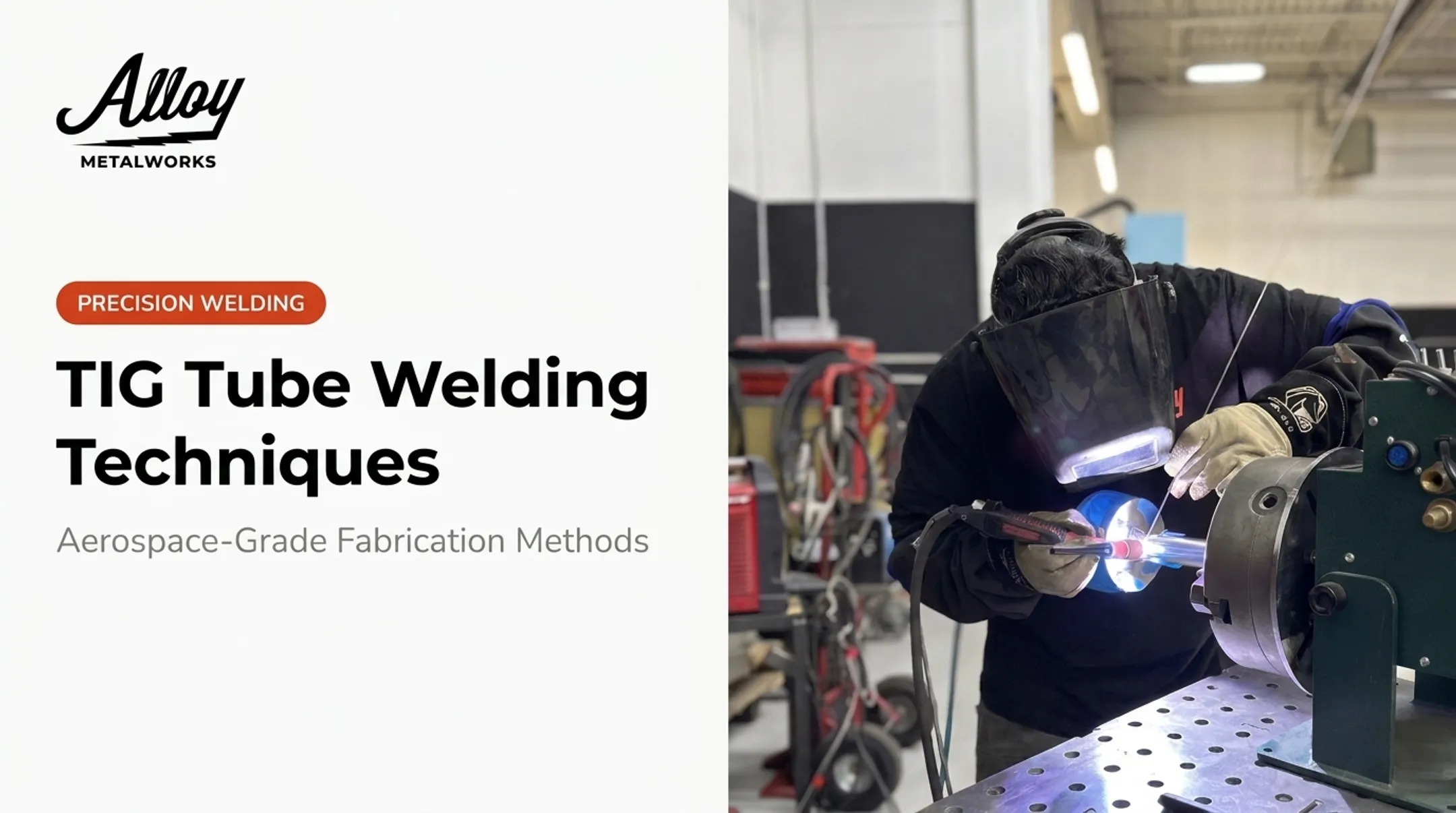
Pipe and tube joints need back-purging: flooding the interior with argon using tape or purge dams to displace atmospheric oxygen before the arc ever strikes. Run a spot test on scrap titanium first to confirm your purge setup actually holds integrity. Skipping this step is how shops discover contamination problems after the part is already welded.
Post-flow protection matters as much as the arc itself. Miller's welding guidance recommends 20-25 seconds of post-flow gas coverage after the arc stops, protecting the cooling weld until it drops out of its reactive temperature range. Thicker sections need longer coverage.
Reading Weld Color
Color is your fastest quality check, though it's not a substitute for whatever acceptance criteria your code requires:
| Color | Typical Assessment |
|---|---|
| Silver, straw, light brown | Generally acceptable |
| Blue, purple, green, gray | Unacceptable — contamination |
| White | Unacceptable — alpha case |
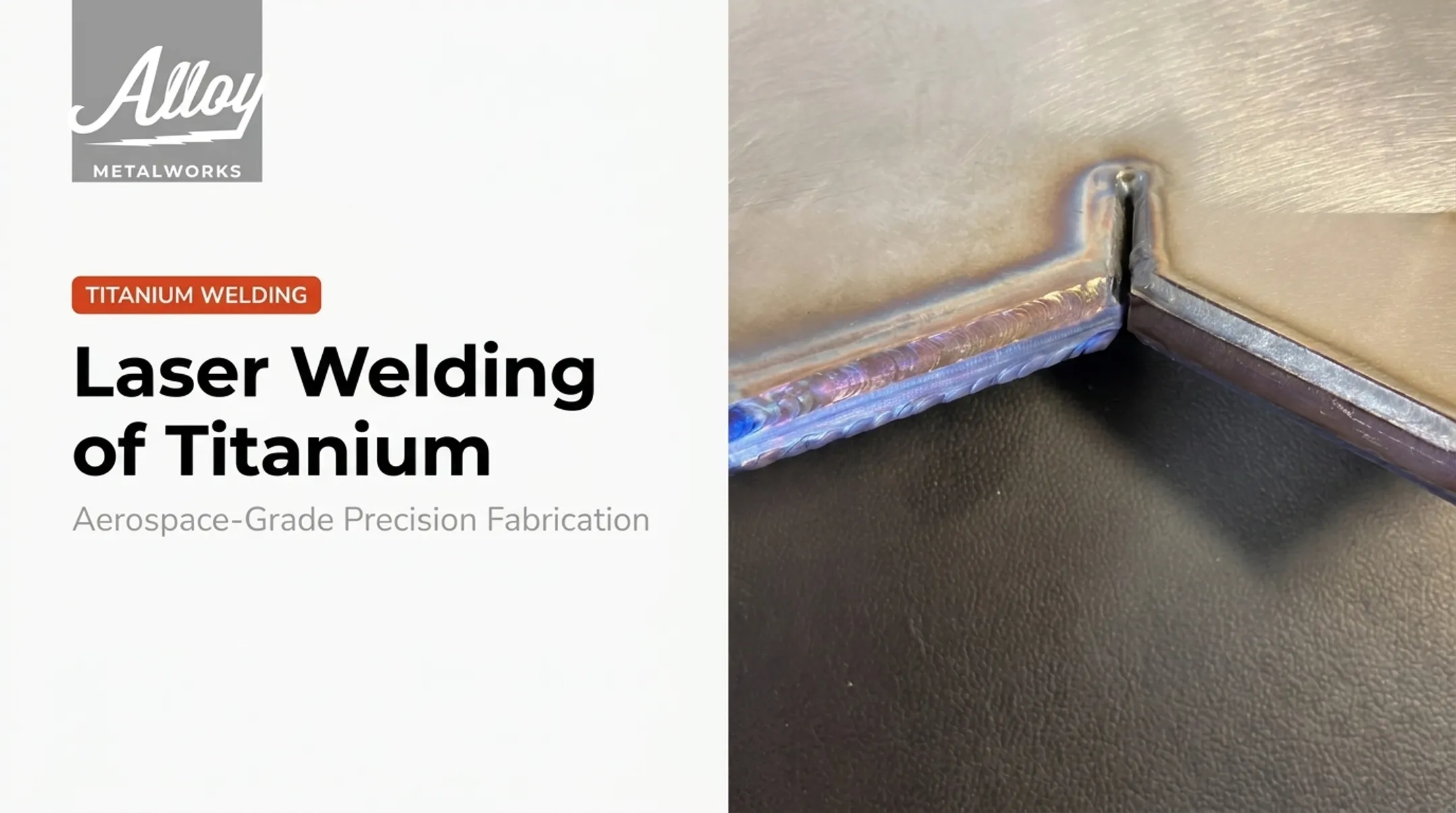
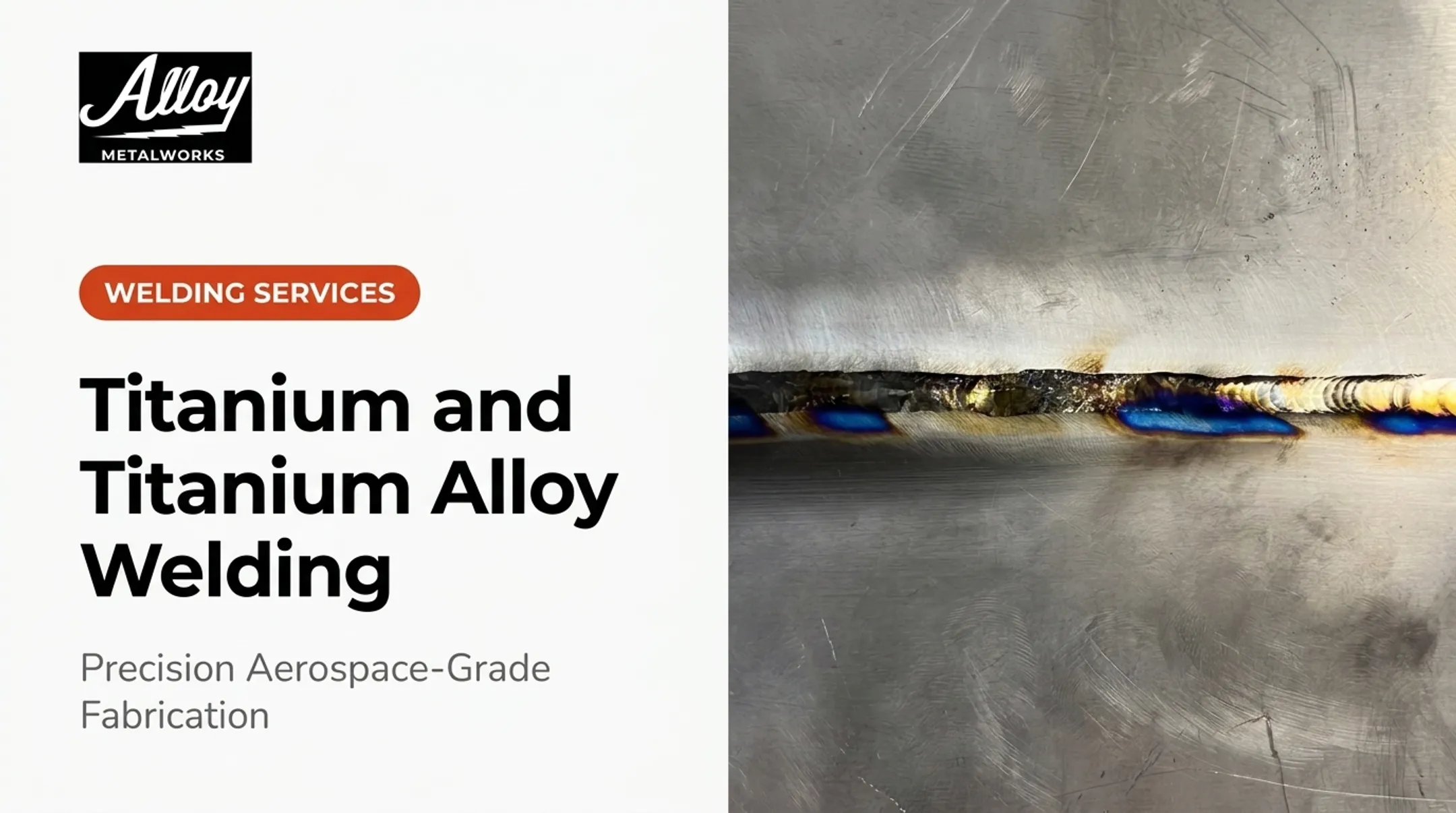
Under AWS D17.1 Class A visual inspection, purple and blue discoloration triggers immediate rejection, even before mechanical testing begins. If you see it, stop, identify the contamination source, and follow your disposition procedure. Don't guess.

When Titanium Welds Need Certified, Code-Compliant Fabrication
Flight-critical, energy-sector, and research-grade titanium components typically require welding under ASME Section IX or AWS D17.1 with full procedure qualification, welder certification, and documented traceability. AWS D17.1 Class A specifically applies where a weld failure would compromise a critical system. The testing and documentation burden is intentionally heavier. Certification alone is not enough. A shop can hold the right papers and still fall short on process control. What matters is:
- Documented, repeatable welding procedures (not tribal knowledge)
- Full material and filler-metal traceability
- Consistent process control on gas purity, tungsten stick-out, torch angle, and travel speed, every day—not only on a good day Alloy Metalworks welds all titanium grades in custom inert-gas chambers and purge setups under ASME Section IX and AWS D17.1 Class A for flight-critical hardware, backed by an ISO 9001 quality system. For teams weighing in-house trial-and-error against outside fabrication, cost is the real question. Scrapped titanium is expensive, and so is the schedule slip from a rejected weld. On critical work, partnering with a shop that already owns these process controls often costs less than learning them the hard way.
Frequently Asked Questions
Can you weld titanium with TIG?
Yes. TIG (GTAW) is the industry-standard process for titanium, provided cleanliness, shielding, and purge protocols are followed correctly throughout the job.
What kind of welder do I need for titanium?
You'll want a DC TIG inverter with a high-frequency start, adjustable post-flow timing, and ideally a foot pedal for precise amperage control during the weld.
Do you weld titanium with AC or DC?
DC, specifically DC electrode negative. This differs from aluminum, which requires AC to break up its oxide layer.
What is the best gas for TIG welding titanium?
100% high-purity argon (99.995%+) is standard for both shielding and backing. Helium blends are occasionally used for deeper penetration on specific applications.
Why is it difficult to weld titanium?
The core challenge is titanium's reactivity with atmospheric oxygen, nitrogen, and moisture at elevated temperatures. Discipline in prep and shielding matters more than torch technique.
What is the best way to weld titanium pipe?
Back-purge the interior thoroughly, use a trailing shield during the weld, and match your filler metal to the pipe's base grade for the strongest, most consistent results.