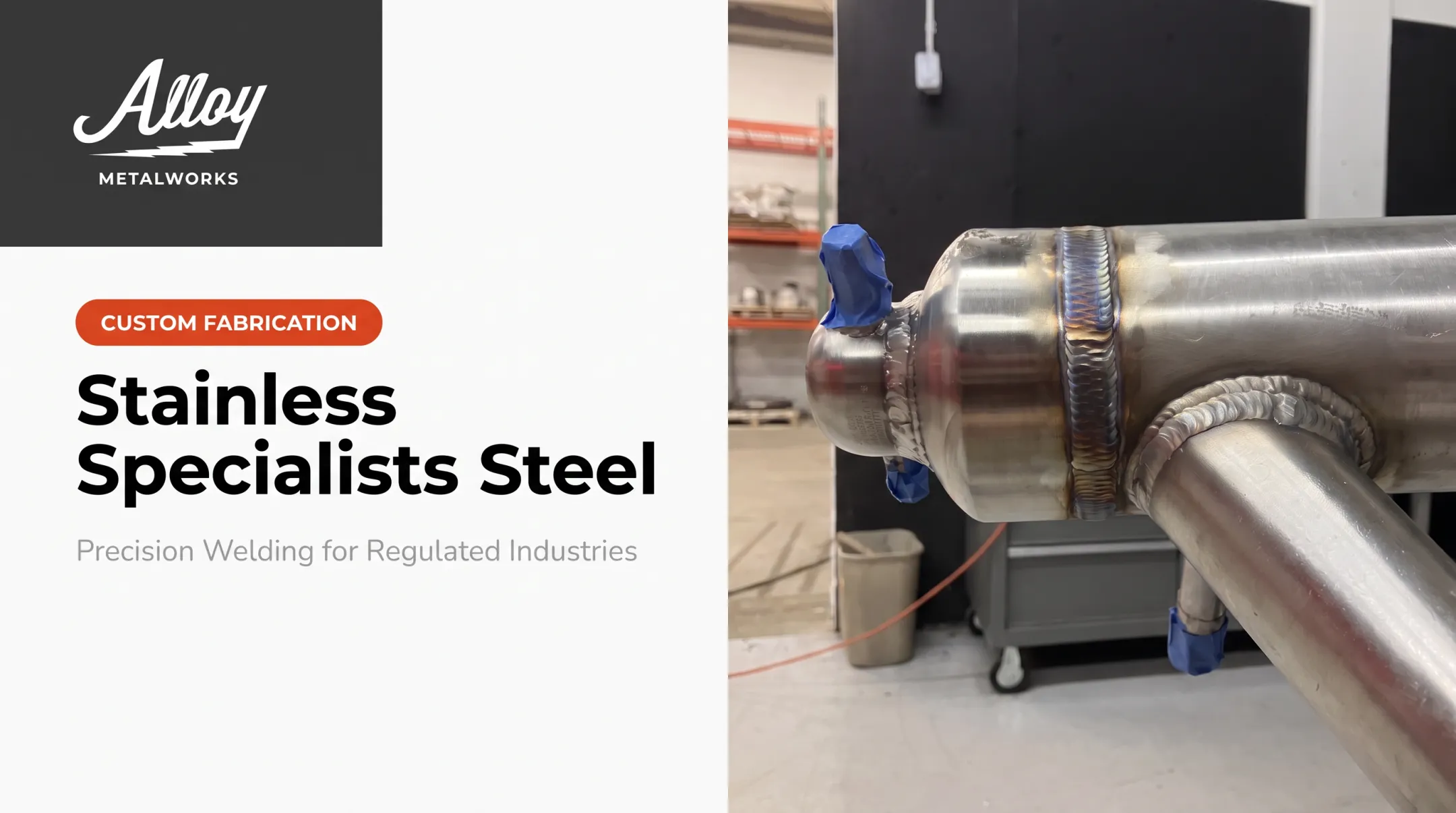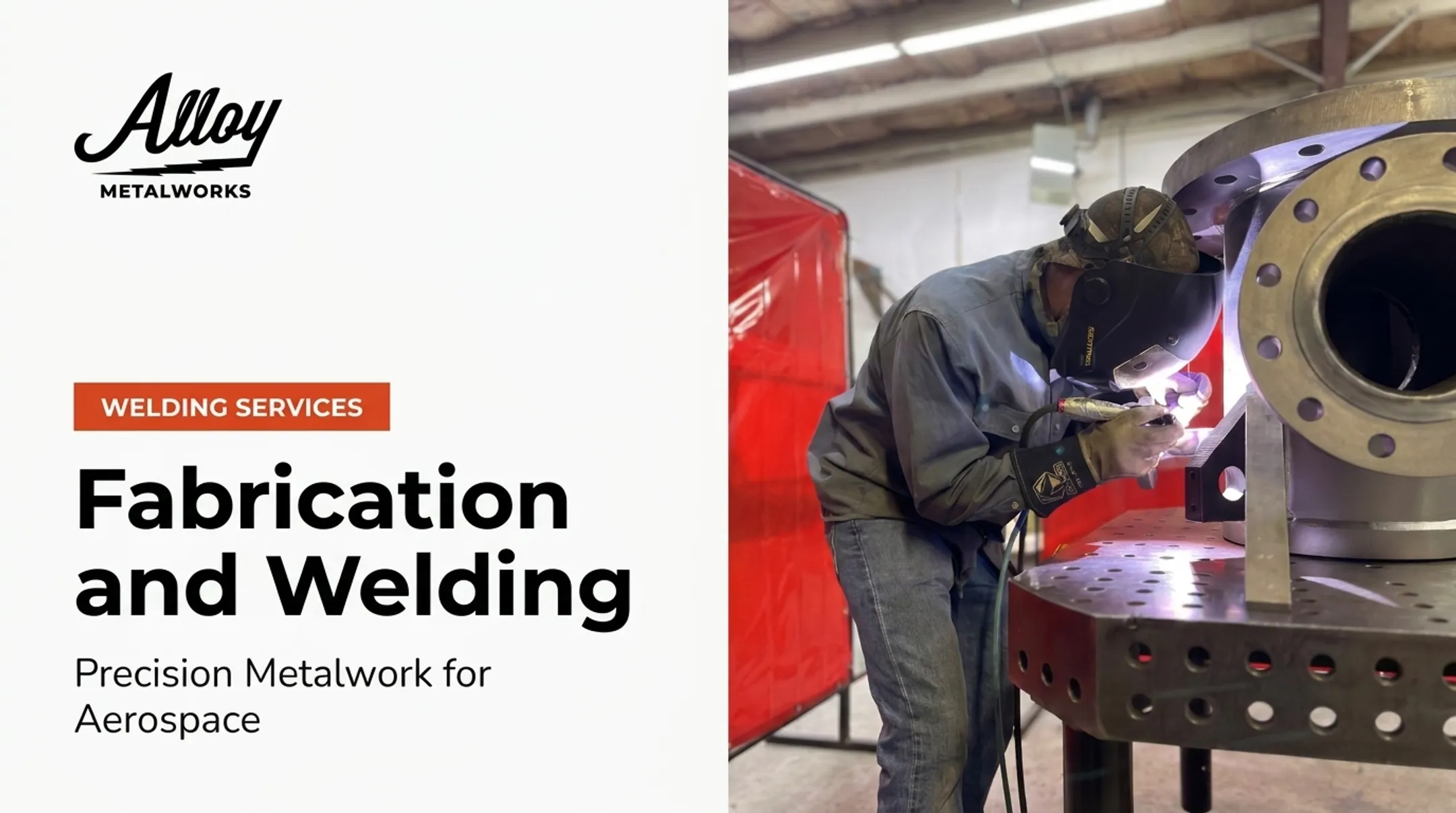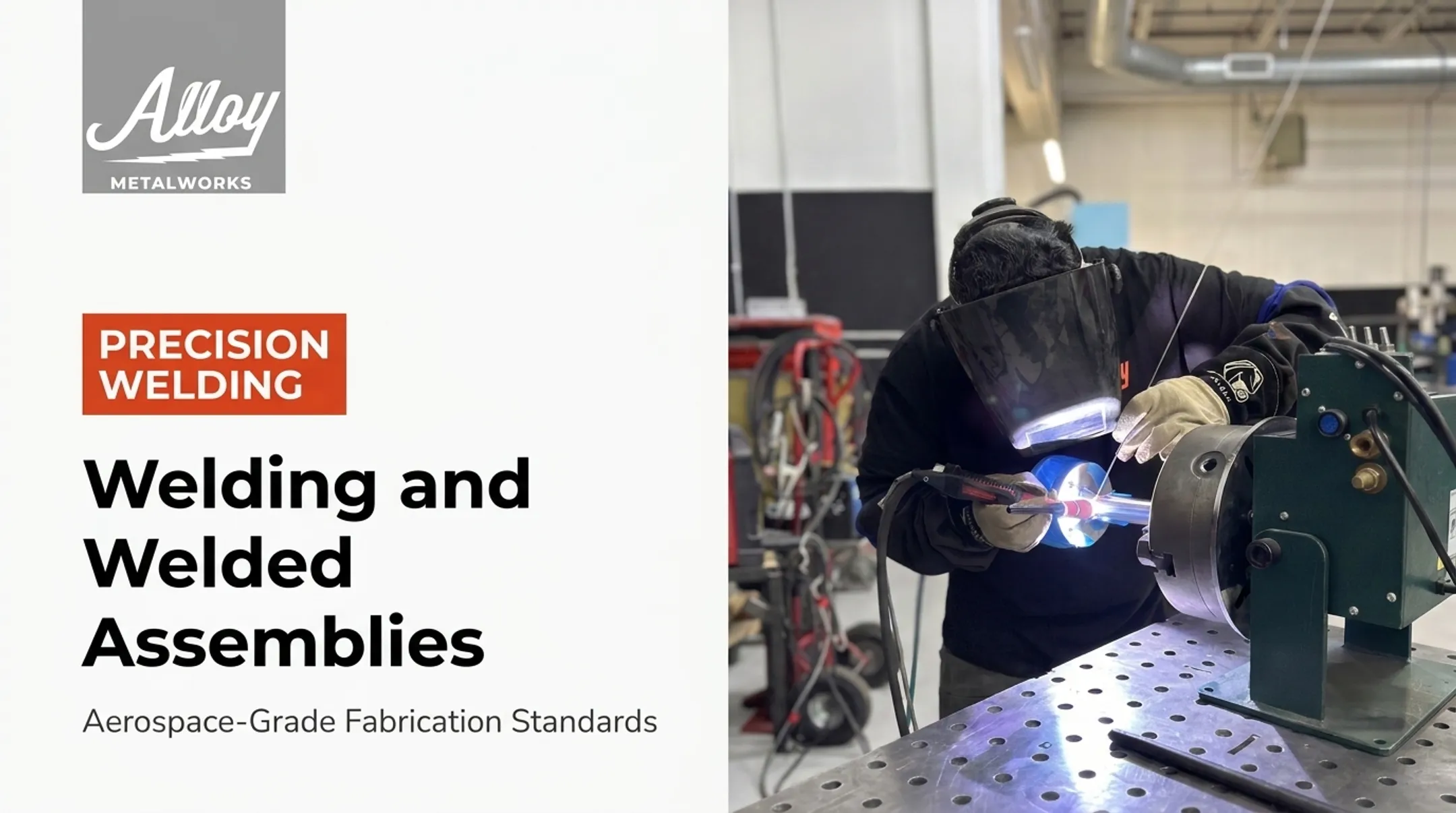

This guide breaks down the structural steel fabrication process, from engineering drawings to final inspection. We’ll cover the key benefits, common applications, and cost factors. Most importantly, you’ll learn what separates code-compliant, inspection-ready fabrication from basic welding work, ensuring your structures are built to last.
Key Takeaways
- Structural steel fabrication is a controlled shop process of cutting, bending, and assembling steel into components based on precise engineering specifications.
- Key certifications like AWS D1.1 (Structural Welding Code—Steel) and ASME Section IX signal a fabricator's ability to meet strict code requirements.
- Costs vary significantly based on material grade, design complexity, welding procedures, and finishing requirements, making per-ton estimates unreliable.
- Choosing an experienced, certified fabricator with documented quality systems reduces the risk of costly downstream delays, rework, and compliance issues.
What Is Structural Steel Fabrication?
Structural steel fabrication is the process of transforming raw steel materials like beams, plates, and tubes into finished components ready for assembly. Fabricators do this work in a controlled shop environment from detailed engineering drawings and bills of materials. The goal is to create individual pieces of a larger structure that can be shipped to a site and erected efficiently.
Fabrication differs from related metalwork in two practical ways:
- Fabrication vs. repair: Fabrication builds new components from raw stock; repair or strengthening modifies an existing structure and needs a different engineering-led approach.
- Shop prefabrication vs. field work: Most structural fabrication happens off-site, where quality control, specialized machinery, and safer conditions beat on-site welding and assembly.
Technical documents drive the full process. Engineers use design software to create drawings that specify every cut, bend, and weld. Fabricators follow those plans to produce components that meet exact tolerances and load-bearing requirements.
How Is Structural Steel Fabricated? (Step-by-Step Process)
Creating structural steel components is a multi-stage process built around precision and quality control. Each step builds on the last, turning raw stock into audit-ready parts.
1. Design and Planning
Every project begins with engineering specifications and drawings. These documents detail the exact dimensions, material grades, and connection types required. The fabricator reviews the plans to build a bill of materials and production schedule, so every required steel plates, beams, and columns are accounted for.
2. Material Procurement and Preparation
Once the plan is finalized, the fabricator sources the specified steel from trusted suppliers. On arrival, the material is inspected for grade and condition, then cleaned of mill scale, rust, or contaminants before cutting and welding.
3. Cutting
With the material ready, fabrication starts by cutting steel to the required shapes and sizes. The method depends on thickness and required precision.
- Plasma Cutting: Ideal for thick plate and structural shapes like beams and channels. CNC plasma cutters can create complex copes, slots, and holes in one pass.
- Laser Cutting: Delivers precise cuts and smooth edges on thin-to-medium steel, typically up to 1.25 inches.
- Waterjet Cutting: Uses a high-pressure water-and-abrasive stream to cut very thick materials without a heat-affected zone, which is critical for certain alloys.
- Saw Cutting: Best for straight cuts on bar stock and tubing, with tight tolerances and minimal material loss.
4. Bending and Forming
When the design calls for curves or angles, cut pieces move to forming stations:
- Press brakes create sharp, precise bends
- Roll benders form gradual curves for arches or circular frames
- CNC controls keep every bend within design tolerances
5. Welding and Assembly
This is where the individual pieces come together. Certified welders fit up and join the components according to the engineering drawings. The integrity of these joints is critical for the structure's overall strength.
For load-bearing structures, welding must follow strict codes such as the AWS D1.1/D1.1M Structural Welding Code—Steel. At Alloy Metalworks, certified welding to AWS D1.1 and related structural codes delivers the joint integrity energy and aerospace applications require.
6. Quality Control and Finishing
After assembly, every component goes through final checks and protection:
- Dimensional inspection to verify tolerances
- Non-destructive testing (NDT) for hidden weld flaws
- Sandblasting, priming, and coating for corrosion protection
- Full documentation for traceability and audit-ready results

Why Structural Steel Fabrication Matters: Key Benefits
Structural steel earns its place in demanding applications through clear gains on timelines, budgets, and long-term performance.
Strength-to-Weight Ratio and Design Freedom
Steel delivers high load capacity without excess mass. According to the American Institute of Steel Construction (AISC), structural steel is significantly lighter than concrete for the same load-bearing requirements, which supports longer open spans without heavy column grids.
A 2022 project case study found that higher-strength 65-ksi steel delivered average material savings of 12% versus standard 50-ksi steel. That same workability lets teams fabricate complex geometries and curves other materials struggle to match—useful for aerospace structures and advanced research equipment.
Cost, Speed, and Durability
Prefabricating steel components in a controlled shop cuts on-site labor and shortens schedules. Members arrive ready for erection, so crews assemble faster and lose less time to weather.
Steel also resists termites, rot, and mold that can compromise wood. With proper coatings, it holds up against weathering and corrosion, which keeps maintenance lower over the life of the structure.
Sustainability
Steel is highly recyclable, and its magnetic properties make it easy to pull from waste streams for reuse. The U.S. Geological Survey reported a 98% recycling rate for structural steel from construction and demolition projects in 2024.

Common Applications and Types of Steel Structures
From urban skylines to remote energy fields, fabricated structural steel is everywhere. Its applications span nearly every major industry.
Construction
Structural steel forms the skeletons of high-rise buildings, bridges, parking garages, stadiums, and industrial warehouses. That strength supports the vast, open interiors common in modern architectural design.
Energy Sector
Steel is fundamental to energy infrastructure. Common fabrications include:
- Transmission towers and electrical substations
- Wind turbine towers and components
- Oil and gas pipelines and offshore platforms
- Support structures for solar panel arrays
The massive SunZia project, for instance, relies on nearly 2,200 steel transmission structures to carry wind power across the Southwest.
Advanced Manufacturing and Aerospace
In high-tech settings, structural fabrication frames research facilities, cleanrooms, and testing equipment. Aerospace work adds custom ground support equipment, aircraft maintenance stands, and launch-facility components—builds where load capacity and reliability drive mission readiness.
Four Common Categories of Steel Structures
These applications typically fall into four structural categories:
- Framed Structures: Beams and columns form the most common building systems.
- Trussed Structures: Interconnected triangular members span long distances in bridges and roof systems.
- Shell Structures: Curved surfaces, such as spheres or cylinders, carry loads through their shape.
- Suspension Structures: Cables support long spans, as in suspension bridges.

How Much Does Structural Steel Fabrication Cost Per Ton?
A flat per-ton price for structural steel fabrication is almost always misleading. Labor, process requirements, and finishing often move the total more than raw tonnage, and fabricators can only issue a reliable quote after reviewing detailed engineering drawings.
Key factors that drive pricing include:
- Material grade — Carbon steel is the baseline; high-strength steels, stainless, and specialty alloys such as Inconel or titanium carry clear premiums
- Design complexity — A straight-cut beam costs far less than a part with bends, copes, and intricate weld joints that add labor and machine time
- Welding and inspection — Certified welders, procedures like preheating, and non-destructive testing raise labor and compliance cost
- Finishing and coatings — Surface prep such as sandblasting, plus systems like multi-coat epoxy or galvanizing, can add a large share of the final price

Skip generic online calculators. Share your drawings with a qualified fabricator—Alloy Metalworks quotes from project-specific plans so material, weld, and finish requirements are priced accurately.
Choosing a Qualified Structural Steel Fabricator
Selecting the right fabrication partner is crucial for ensuring your project is completed on time, within budget, and to the required quality standards. Look for a fabricator that can demonstrate expertise through verifiable credentials and processes.
Look for Relevant Certifications
Certifications are third-party proof of a fabricator's capabilities. Key credentials to look for include:
- AWS Structural Welding Codes (D1.1, D1.2, D1.6): Confirms code-compliant welding on steel, aluminum, and stainless steel.
- ASME Section IX: Verifies qualification for welding pressure-bearing items, often required in energy and industrial work.
- ISO 9001: Shows a Quality Management System (QMS) covers the full fabrication process.
Ask About Documentation and Traceability
For regulated industries, paperwork is just as important as the physical part. A qualified fabricator should provide comprehensive documentation, including material test reports, welder certifications, and inspection records. This ensures you have an audit-ready, inspection-ready deliverable.
Evaluate Experience with Your Specific Application
Different industries have unique requirements. A fabricator focused on general construction may lack the process discipline needed for aerospace hardware, energy systems, or sanitary process work.
Look for proven sector experience plus engineering-aware collaboration from design through inspection. Alloy Metalworks supports aerospace, energy, and other regulated technical projects with documentation and weld quality built for compliance-ready delivery.
Frequently Asked Questions
How is structural steel fabricated?
Structural steel is fabricated in a multi-step shop process that includes cutting raw material to size, bending or forming it to shape, and then welding the pieces together into a final assembly according to engineering drawings.
What is fabrication of steel structures?
The fabrication of steel structures is the process of transforming raw steel stock into finished, engineered components that are ready for on-site erection. Shops control cutting, forming, welding, and inspection so parts fit and perform as designed before they reach the job site.
What does a steel fabricator do?
A steel fabricator reads and interprets engineering blueprints, then uses specialized machinery to cut, shape, and assemble steel components. They also perform welding, finishing, and quality control checks to ensure parts meet all specifications.
What are the three types of metal fabrication?
The three primary methods of metal fabrication are cutting (removing material), forming/bending (shaping material without removing it), and welding/joining (assembling separate pieces into one).
What are the four types of steel structures?
The four main categories are framed structures (beams and columns), trussed structures (triangular frameworks), shell structures (curved surfaces), and suspension structures (cable-supported systems).
How much does it cost to have structural steel fabricated per ton?
Per-ton cost varies with steel grade, connection detail, weld volume, and finishing. Most fabricators quote from your drawings rather than a flat rate, so request a project-specific estimate for an accurate figure.