
Corrosion, thermal cycling, and years of operational stress wear down even well-built vessels. When problems show up, repairs can't be treated like routine maintenance. They fall under strict code requirements designed to keep pressurized equipment from becoming a hazard.
This article covers the common problems, why they happen, a step-by-step repair process, guidance on fixing versus replacing, and when you need a certified provider on the job.
TL;DR
- Corrosion, cracks, weld defects, and leaks are the most common pressure vessel issues
- Most vessels are repairable if caught early—under NBIC/ASME code, by a qualified organization
- The repair process follows four stages: identify, diagnose, repair, then test and recertify
- Code-compliant professional welders are required—safety and compliance leave no alternative
What Is ASME Pressure Vessel Repair?
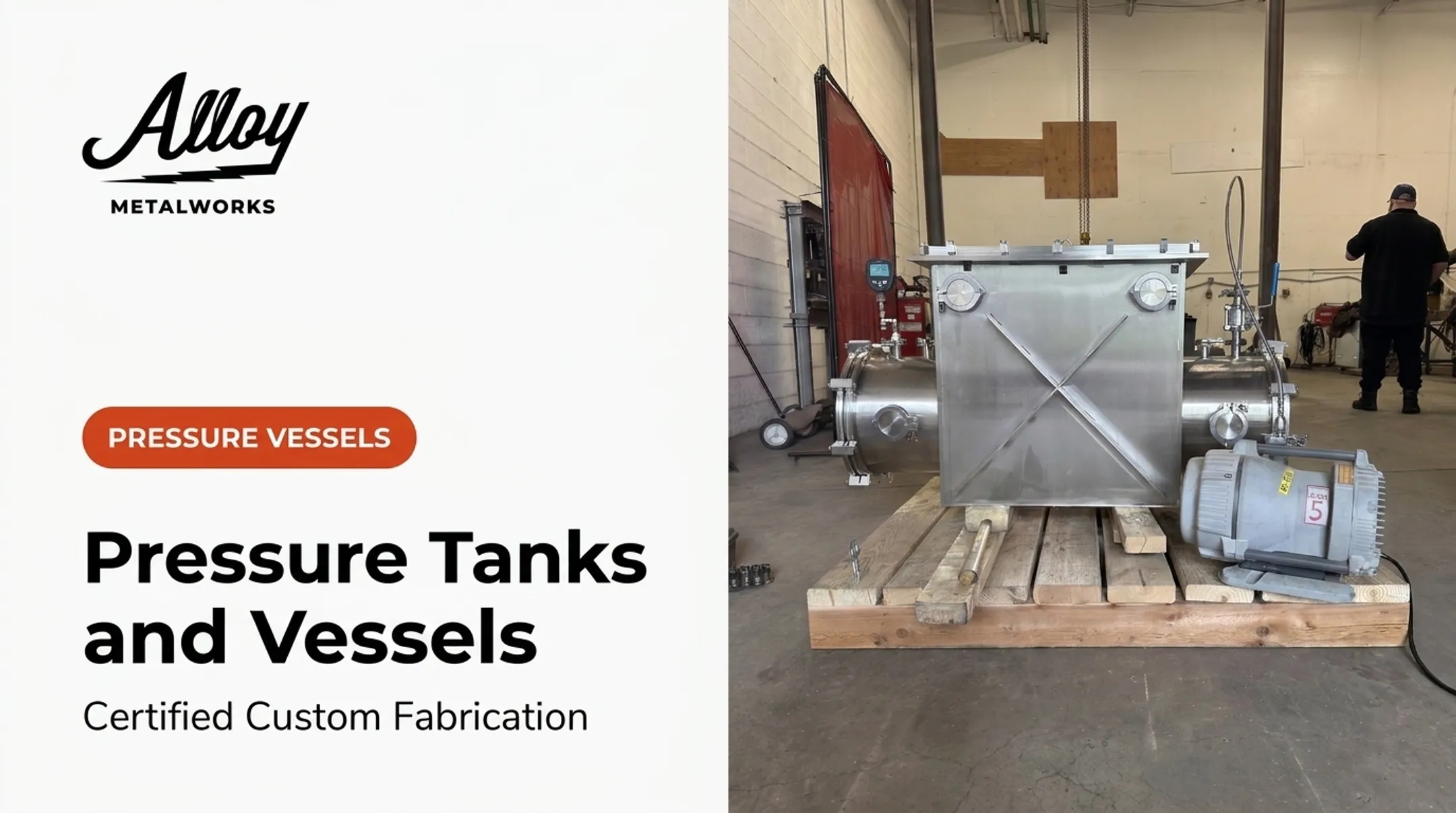
ASME pressure vessel repair is code-governed restoration work that returns a vessel to its original safe design condition. It is qualified repair work, not a generic weld patch. Typical vessels include boilers, tanks, heat exchangers, reactors, and autoclaves.
Repairs must follow these governing references:
- NBIC Part 3 for how organizations perform, verify, and document acceptable repairs
- ASME Section VIII for construction rules
- ASME Section IX for welding procedure and welder qualifications
A repair restores original specifications. An alteration changes them, such as raising a pressure rating. NBIC treats the two categories differently, with separate documentation and inspector sign-off for each.
Pressure vessels degrade under stress, temperature, and chemical exposure. That degradation requires documented, code-compliant intervention.
Alloy Metalworks holds ASME Section IX certified welding capability for engineering-aware repair and fabrication work in regulated industries such as aerospace, energy, and research. That certification is what qualifies welding procedures under the code framework that governs these repairs.
Common Problems With Pressure Vessels
Vessel failures follow predictable patterns tied to material, environment, and operating history. A National Board survey of 294 plants found roughly 40% cracking incidence, mostly in or near welds that hadn't received post-weld heat treatment. In one OSHA-documented amine-vessel case, about 65% of properly inspected vessels showed some cracking.
| Problem | Symptoms | Typical Cause |
|---|---|---|
| Corrosion and wall thinning | Gradual pressure loss, visible pitting, ultrasonic thinning | Chemical exposure, moisture, or process conditions below design minimums |
| Cracks | Fractures near welds, nozzles, or high-stress points | Pressure cycling, thermal fatigue, or stress concentration |
| Weld defects | Porosity, incomplete fusion, undercut on inspection | Construction flaws or degradation over years of service |
| Leaks | Hissing, visible moisture, pressure drop at flanges or nozzles | Gasket failure, corrosion, or compromised weld seams |
| Mechanical damage and erosion | Dents, gouges, localized wall loss | Handling impact, or high-velocity flow and particulates |

Even corrosion-resistant alloys aren't immune. In one 800HT fabrication case, a component was rejected for surface rust and contamination before it entered service. Sulfur-bearing cutting fluids, high-chloride water, and incompatible markers introduced during fabrication caused the failure.
Why Pressure Vessels Fail (Root Causes)
Failures trace back to a handful of overlapping factors: operational stress, environmental exposure, improper installation, and skipped preventive maintenance. Because a pressurized vessel stores real energy, even a minor-looking defect can signal a serious loss of structural margin.
Ignore these issues and the consequences stack up fast:
- Safety hazards to personnel and nearby equipment
- Regulatory non-compliance and potential shutdown orders
- Unplanned downtime that ripples through production schedules
- Escalating repair costs the longer the issue sits
National Board incident data shows steam heating boilers consistently rack up the most incidents, largely because they're the most commonly installed category in reporting jurisdictions.
OSHA's process safety management standard (29 CFR 1910.119) requires written mechanical-integrity procedures for pressure vessels, including documented inspections and correction of deficiencies before further use.
OSHA doesn't allow you to keep running a vessel with a known, out-of-limit defect without documented safeguards. Deferred maintenance isn't a gray area under federal rules.

How to Fix Pressure Vessel Issues: Step-by-Step
Skipping proper diagnosis before repair risks masking the real problem and violating code in the process. Work through these four steps to identify the issue, isolate the root cause, execute a code-compliant repair, and verify results before return to service.
Step 1: Identify the Exact Problem
Start by pulling the vessel nameplate information and, where available, the U-1A data report describing original materials and construction. Then:
- Conduct visual inspection and non-destructive testing (ultrasonic, radiographic) to document damage type, location, and severity
- Note the operating conditions present when the issue appeared—startup, peak load, or continuous operation
Step 2: Confirm Root Cause and Regulatory Category
Determine whether the issue is corrosion-driven, mechanical, weld-related, or environmental. Then classify the fix:
- Repair — restores original design condition
- Alteration — changes original design parameters (like pressure rating)
This determination matters because it dictates which code rules apply and which inspector sign-offs are required down the line.
Step 3: Perform the Repair Using Qualified Welding Procedures
Repair options range depending on severity:
- Minor weld touch-ups for localized surface defects
- Full weld repair with NDE verification for deeper cracks or incomplete fusion
- Patch or overlay for broader wall loss from corrosion or erosion
- Nozzle or connection repair where joints or attachments are damaged
- Full section replacement when damage exceeds practical weld repair limits
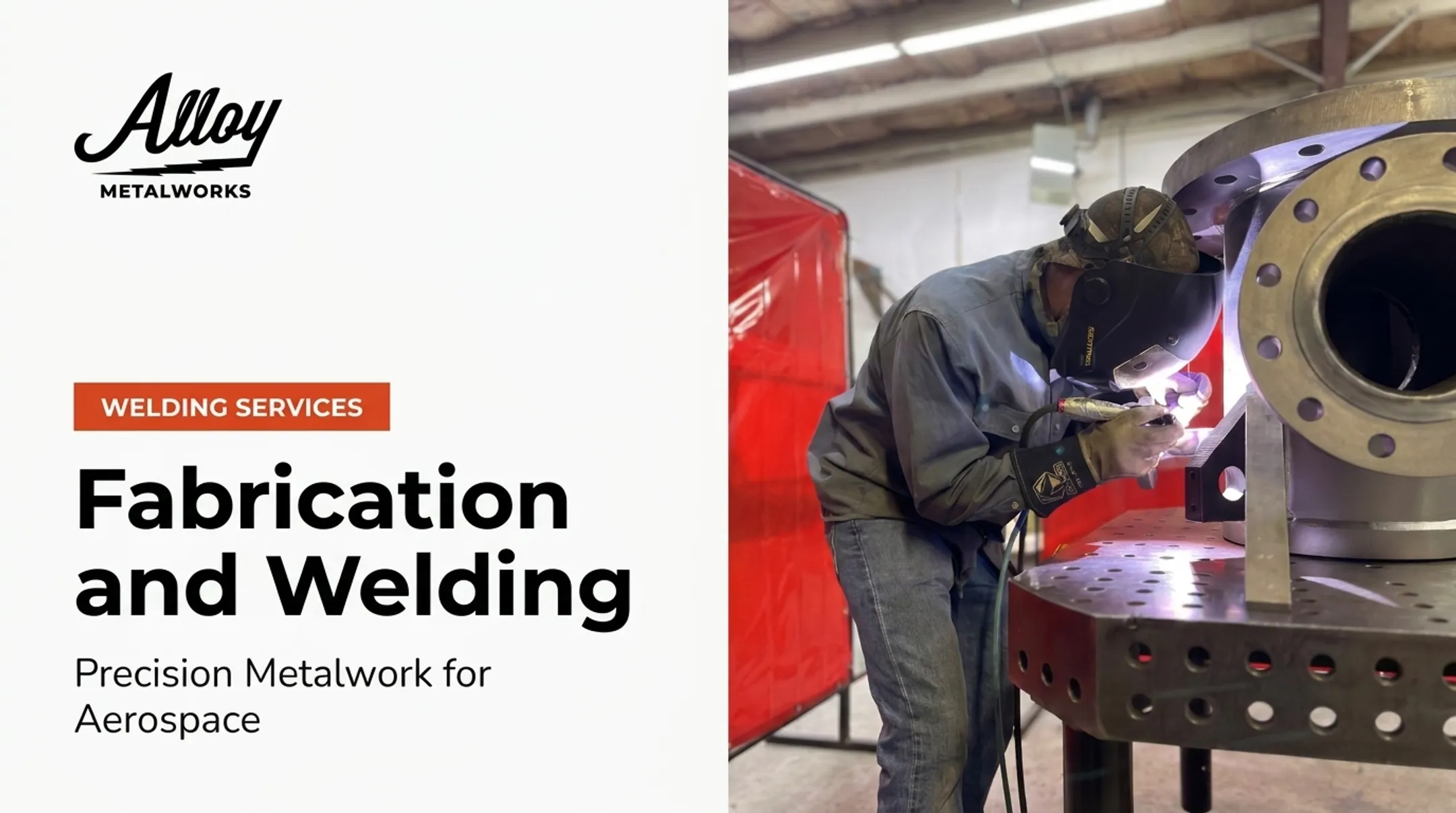
Welding must follow ASME Section IX qualified procedures, with preheating and post-weld heat treatment (PWHT) applied where required to prevent thermal cracking.
Alloy Metalworks holds ASME Section IX certification and works with engineering teams to develop and validate weld procedures for these repair scenarios, including reactor modification work for clients such as TDA Research.
Step 4: Test, Document, and Recertify
Before returning to service, the vessel needs:
- Hydrostatic testing, leak detection, and ultrasonic or radiographic verification of the repair
- Authorized Inspector sign-off, with documentation filed for certification and traceability
- Confirmation the vessel returns to service within its original or newly re-rated MAWP

Fix vs Replace, Common Mistakes, and Prevention
When to Fix vs Replace
Localized, early-stage damage such as small cracks or isolated corrosion pockets is typically repairable. Extensive wall loss, vessels nearing end-of-service-life, or damage that exceeds economical repair thresholds usually call for replacement or an engineering re-rating instead.
Common Mistakes to Avoid
- Treating symptoms instead of tracking down the root cause
- Skipping post-repair NDE testing to save time
- Using non-code-compliant materials or unqualified welders
- Proceeding without a proper documentation trail
Prevention
- Schedule regular inspections aligned with NBIC intervals
- Maintain accurate nameplate and U-1A documentation
- Work with qualified welding partners who catch issues early, not after a failure
Early diagnosis and code-compliant repair consistently cost less and cause less downtime than a delayed or improperly executed fix. Once you factor in escalating damage and emergency labor rates, deferred maintenance rarely pays.

Frequently Asked Questions
What certifications are required for pressure vessel repair?
Repairs must follow NBIC and ASME Section IX welding qualifications. Organizations performing this work typically need an R-Stamp certification, qualified welders, and documented quality practices.
What is the difference between a pressure vessel repair and an alteration?
A repair restores the vessel to its original design condition, like replacing a corroded section. An alteration changes original design parameters, such as raising a pressure rating. Each triggers different code review requirements.
How long does a pressure vessel repair take?
Timelines depend on damage extent, whether the U-1A report is available, and whether engineering review or PWHT is required. Minor repairs move faster than complex weld repairs involving heat treatment.
Do you need a plumber to fix a boiler?
No. Boiler pressure vessel repairs require certified welders and inspectors working under ASME/NBIC code, not general plumbing services, since structural and pressure integrity are directly at stake.
Can a cracked pressure vessel always be repaired instead of replaced?
It depends on crack depth, location, and overall vessel condition. Many cracks are safely weld-repaired, but extensive or structurally critical damage may push the decision toward replacement.
How often should pressure vessels be inspected to catch problems early?
Inspection frequency depends on jurisdiction, vessel type, and service conditions. Routine NBIC-aligned inspection schedules remain the standard way to catch corrosion, cracking, and wear before they escalate.