
US aerospace and defense alone generated $995 billion in business activity in 2024, according to the Aerospace Industries Association, and companies supporting that volume need fabrication partners who can scale, certify, and document their work. This guide breaks down what contract manufacturing means today, how to vet a partner properly, and which US shops stand out for specific processes.
TL;DR
- Contract manufacturing means outsourcing production to a specialized shop while you keep the design and brand
- Companies use it to cut costs, speed up timelines, and tap into certifications they don't have in-house
- Picking a partner means checking certifications, documentation practices, and process fit — not just price
- Five US shops stand out for different reasons: precision welding, powder processing, multi-process cutting, integrated fabrication, and cross-material sourcing
Overview of Contract Manufacturing in the US Industrial Landscape
Contract manufacturing is production performed on behalf of an original equipment manufacturer (OEM), with the OEM keeping the design and brand while the contractor handles the build. The contractor might also add engineering support, assembly, or distribution on top of pure fabrication.
The US market covers a wide range of processes:
- Electronics assembly
- Precision metal machining
- Sheet-metal fabrication
- Specialty material processing like powder screening
This diversity matters because no single shop does everything well.
Fabricated structural metal manufacturing alone hit $65.5 billion in 2025, growing at a 9.7% CAGR since 2020. That growth shows demand for specialized metal work keeps climbing. Below, we've grouped five shops by what they actually do best.
Top Contract Manufacturers in the USA
We selected these companies based on verifiable certifications, documented technical capability, industry focus, and a client base tied to real project outcomes — not marketing claims.
Alloy Metalworks
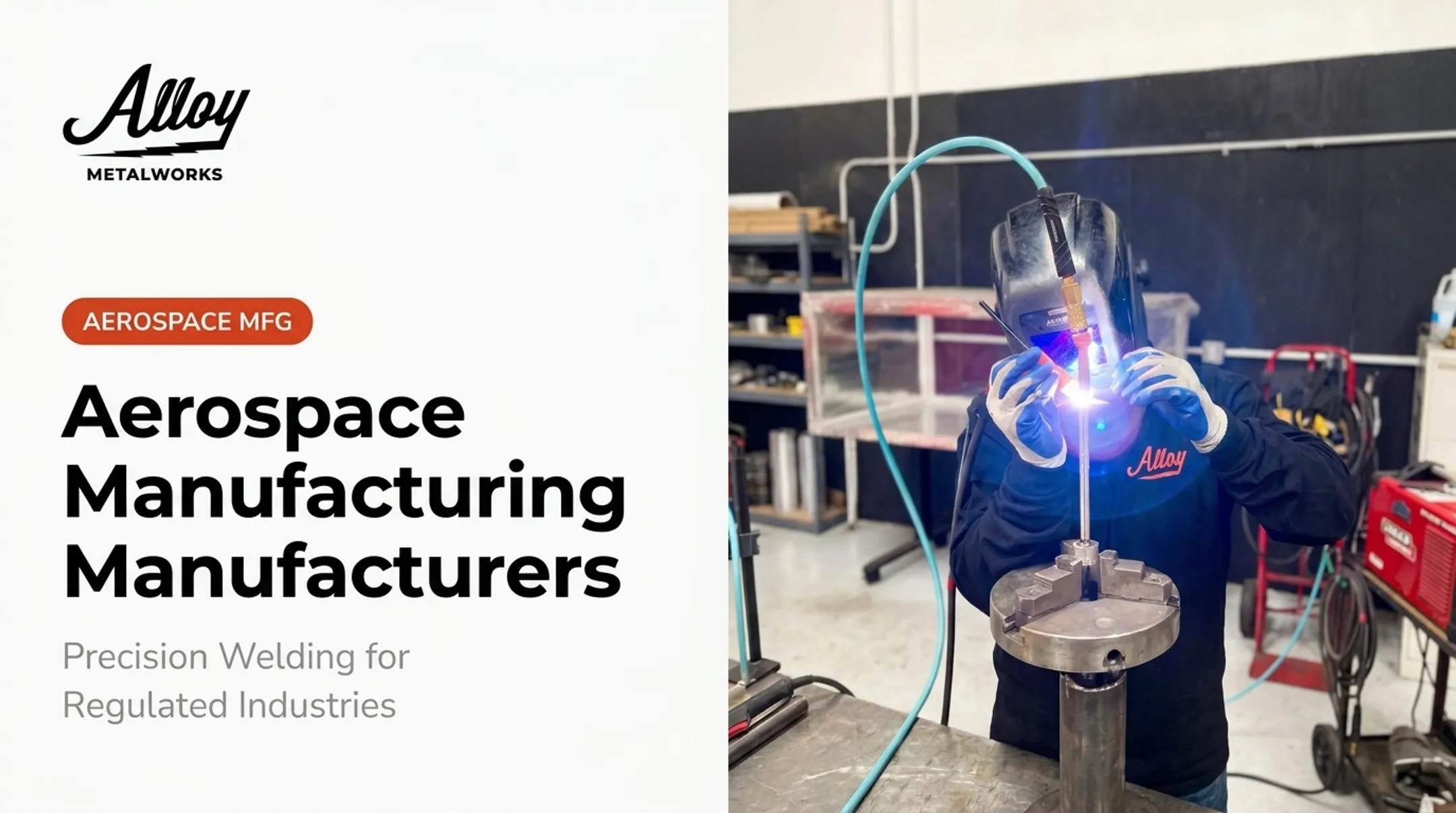
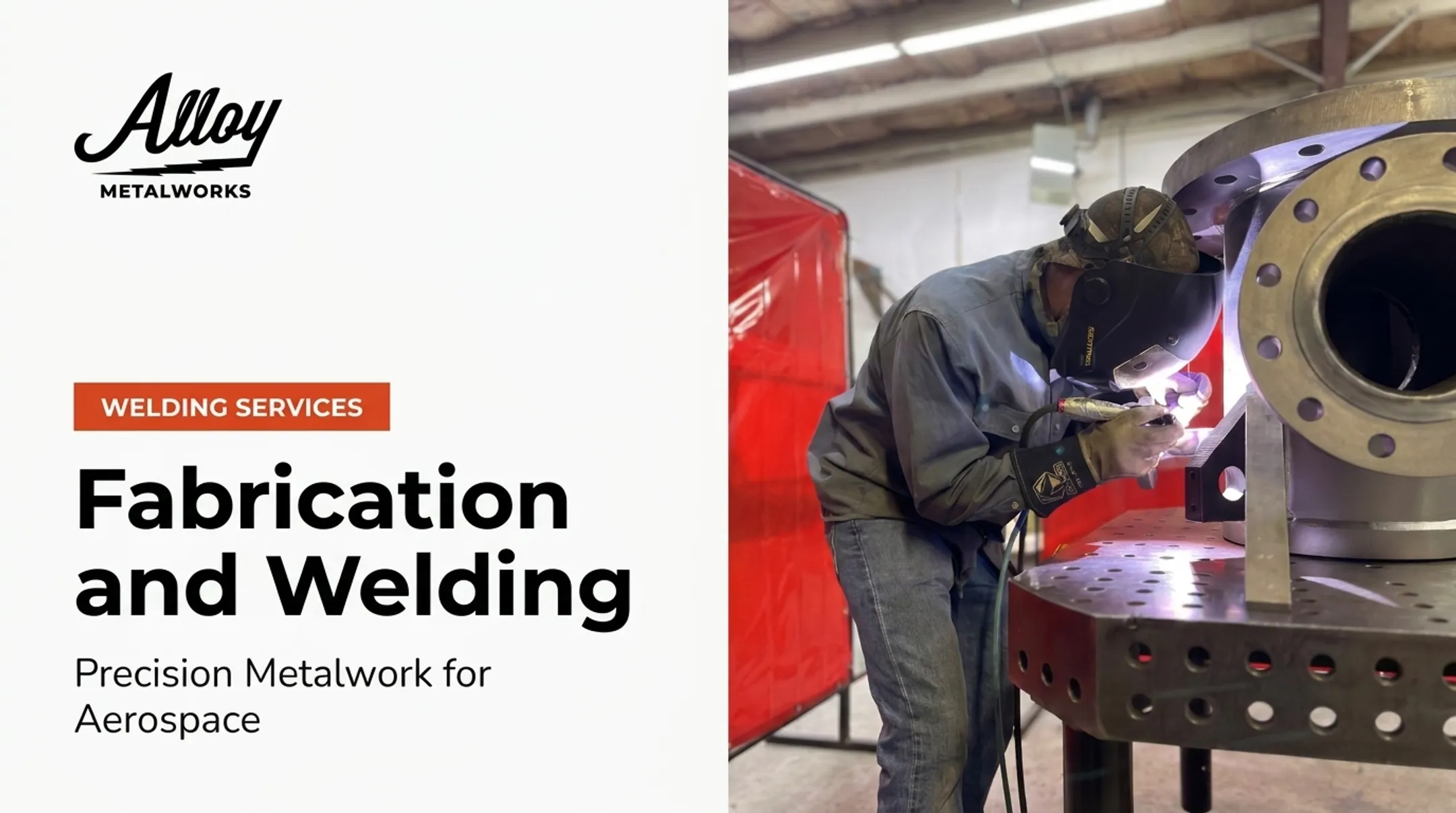
Founded in Colorado in 2020, Alloy Metalworks specializes in precision welding and metal fabrication for aerospace, advanced energy, research, and industrial process facilities. The company builds welded assemblies and custom components under ISO 9001 and FAA Part 145 QMS-controlled processes.
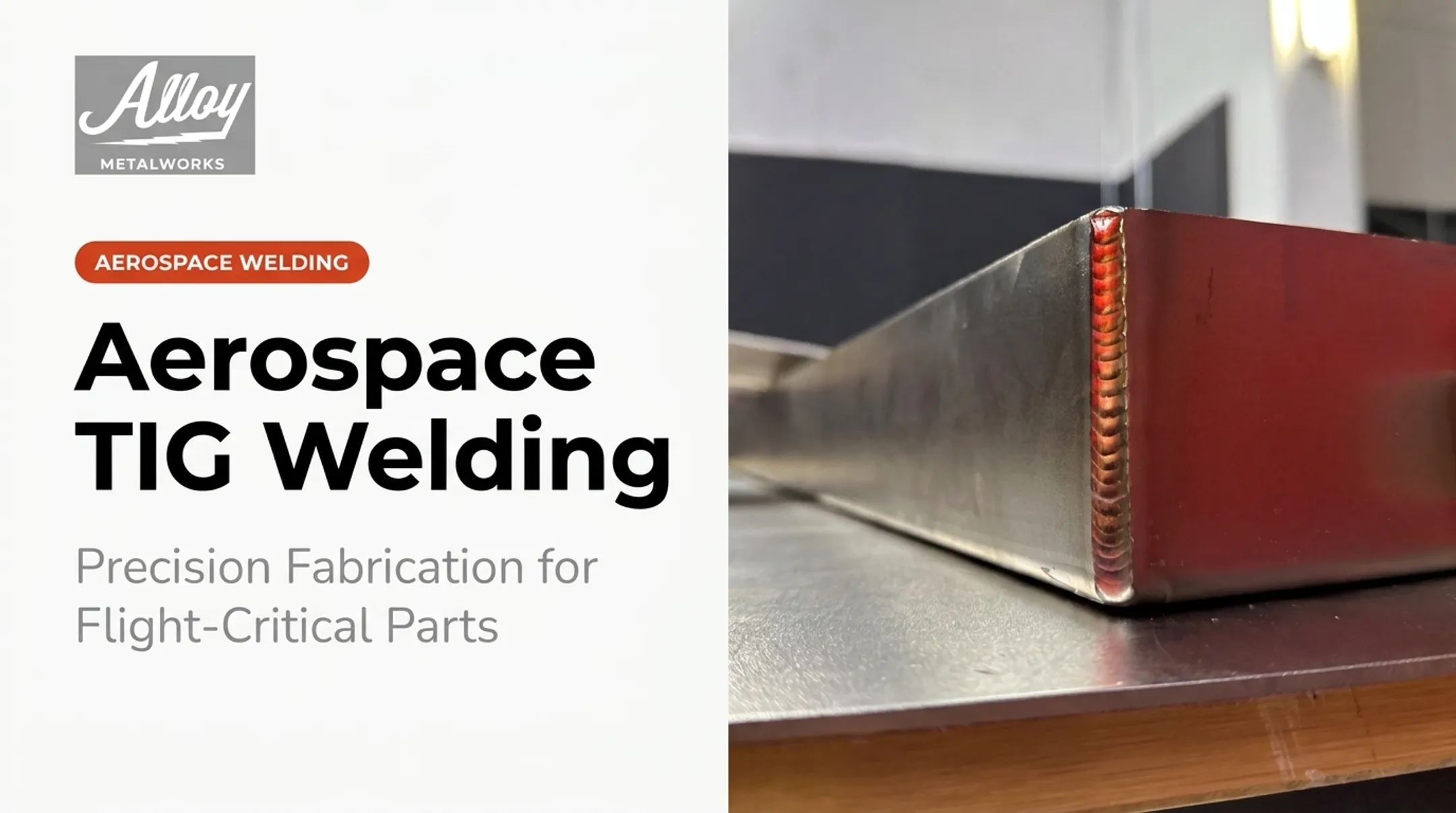
Exotic alloy expertise is the core strength. Alloy Metalworks welds Inconel, Hastelloy, Incoloy 800HT, and titanium under ASME Section IX and AWS-certified procedures, including AWS D17.1 Class A for flight-critical hardware.
The National Renewable Energy Laboratory, for example, received an Alloy 800HT reactor component designed to operate above 700°C and later reported that the company became an approved, preferred vendor after exceeding quality expectations.
Engineering collaboration runs through the whole process: weld-procedure development, distortion control, and process validation happen before fabrication starts, not after.
| Attribute | Details |
|---|---|
| Key Certifications | ISO 9001, ASME Section IX, AWS D17.1/D18.1/D1.1/D1.2/D1.6, FAA Certified Repair Station |
| Specialization | Precision welding, exotic alloy fabrication, sanitary systems, prototyping, small-batch production |
| Client Base | Aerospace, hydrogen/clean energy, research labs, industrial process facilities |

Elcan Industries
Based in Tuckahoe, NY, Elcan Industries has spent decades in toll processing, particle screening, and material handling. Companies use Elcan when they need difficult materials sieved, milled, or blended—not general fabrication.
Proprietary sieving technology handles materials that give other processors trouble, including aluminum powder used in additive manufacturing.
| Attribute | Details |
|---|---|
| Key Features | Toll screening, milling, blending, magnetic separation |
| Certifications | ISO 9001 |
| Industries Served | Battery materials, pharmaceuticals, plastics, ceramics |
OneMonroe (Monroe Engineering Products)
Headquartered in Michigan, OneMonroe offers waterjet, laser, plasma cutting, CNC machining, and welding under one roof. It covers everything from a single prototype to full production runs.

Aerospace, agriculture, and automotive clients rely on OneMonroe for programs that need multiple cutting processes without switching vendors.
| Attribute | Details |
|---|---|
| Key Features | Multi-process cutting, CNC machining, welding |
| Industries Served | Aerospace, automotive, construction, agriculture |
| Founded | 1955 |
Tri-State Fabricators, Inc.
This Cincinnati-area fabricator (based in Amelia, Ohio) provides welding, forming, rolling, and finishing across a 20-acre facility. Its ISO 9001:2015 certificate explicitly covers machining, fabrication, welding, and painting.
Tri-State's versatility spans defense, energy, medical, and architectural projects, which makes it a solid fit for buyers who need one shop to handle several unrelated jobs.
| Attribute | Details |
|---|---|
| Key Features | Welding, boring, forming, rolling, assembly |
| Industries Served | Aerospace, defense, energy, medical |
| Founded | 1983 |
Source International
Louisville, KY-based Source International combines metal and plastic production under one contract, offering casting, stamping, machining, and injection molding. That cross-material range is rare among smaller shops.
Important caveat: Source International's quality system references MIL-STD-1916 and ANSI/ASQ Z1.4 rather than ISO or ASME certification, and the company operates production teams outside the US as well. Confirm site location and origin before assuming a project stays domestic.
| Attribute | Details |
|---|---|
| Key Features | Casting, machining, stamping, injection molding |
| Industries Served | Industrial, consumer products, automotive |
| Founded | 1987 |
How We Chose the Best Contract Manufacturers
Too many buyers pick a contract manufacturer on price alone, then discover mid-project that the shop lacks the certification or documentation their industry requires. That mistake gets expensive fast.
We weighted these factors instead:
- Industry certifications — verified ISO, AWS, and ASME credentials, not just logos on a website
- Technical capability — matched to the specific process (welding vs. machining vs. powder processing)
- Documentation and traceability — weld procedure specifications, material certs, inspection records
- Client base diversity — tied to actual project outcomes, not generic testimonials

A current, scoped certificate plus a traceable record set matters more than a founding date or a slick homepage.
Conclusion
The right contract manufacturing partner should match your technical requirements and compliance needs, not brand recognition alone. Before signing anything, check scalability, quality systems, and how clearly the shop communicates during a technical review.
For aerospace, energy, and advanced manufacturing projects that demand exotic alloy welding and audit-ready documentation, Alloy Metalworks brings ASME Section IX and AWS D17.1-certified processes built around engineering collaboration from day one. If those requirements match your next build, start with a technical review to confirm process fit, documentation needs, and lead time.
Frequently Asked Questions
What does a contract manufacturer do?
A contract manufacturer produces components, assemblies, or finished goods on behalf of another company under agreed specifications. The client typically retains the design and brand while the manufacturer handles production.
What are some examples of contract manufacturing?
Examples include precision welding and fabrication, electronics assembly, pharmaceutical production, and sheet metal fabrication. Each requires different certifications and process controls.
Is a contract manufacturer the same as an OEM?
No. An OEM designs and brands the product under its own name, while a contract manufacturer produces it to the OEM's specifications. The OEM usually retains the intellectual property.
What are contract manufacturing organizations?
Contract manufacturing organizations (CMOs) are specialized firms, often in pharma and biotech, that handle production, testing, and compliance documentation for client companies. The term is less common outside regulated industries like drug manufacturing.
How do I find a contract manufacturer?
Start by researching shops in your process category, then verify certifications directly with the issuing body. Ask specific questions about capabilities and request references or sample project documentation before committing.