
According to EPIC Systems, long equipment lead times and vendor coordination issues drive up capital costs and slow time to production across the industry. One power-plant case study found that site restrictions on welding and fabrication made scheduling around plant operations both difficult and expensive.
Modular process skid systems solve this problem differently. Aerospace, energy, sanitary, and research facilities increasingly rely on pre-fabricated, pre-tested skids to speed deployment without sacrificing compliance. This article covers what skids actually are, the main types, real benefits, key design factors, and how to vet a fabrication partner who won't leave you with rework six months down the line.
Key Takeaways
- Modular process skids are self-contained, factory-tested units that cut field labor, installation time, and safety risk
- Match design to the process: sanitary stainless for hygienic duty, specialty alloys for corrosive chemical service
- A fabricator's welding codes and QMS certifications matter as much as the design itself
- Specify engineered structural platforms with integrated process systems—far more than a frame for shipping equipment
What Is a Modular Process Skid?
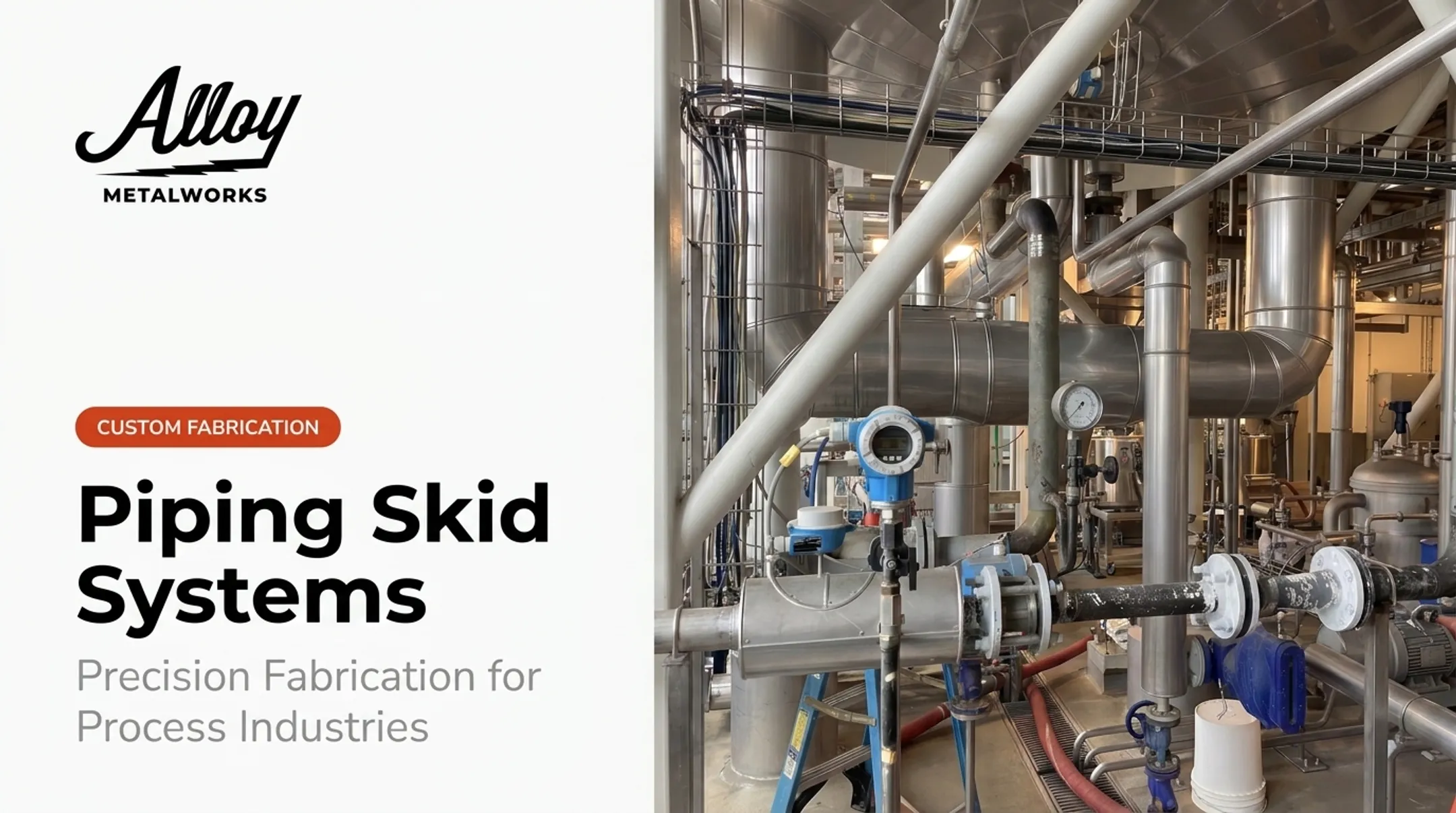
A modular process skid is a complete process system—tanks, pumps, valves, instrumentation, and piping—mounted on a structural steel frame. As SE-MAR describes, these self-contained units are built and tested off-site, then transported for installation at your facility.
In manufacturing terms, "skid" refers to a transportable base structure housing interconnected equipment built for one specific function. The skid is the platform and everything mounted on it, working together as one unit.
Skid vs. Pallet: Why the Distinction Matters
This trips people up constantly. A pallet is a basic flat surface for handling or storage, nothing more. A skid is an engineered, load-bearing frame designed to support and integrate live process equipment under real operating conditions.
- Pallet: Moves a box from point A to point B
- Skid: Houses a working pump system, gets craned onto a truck, survives transport vibration, then runs your process on day one
A skid has to deliver more than a base frame:
- Structural support under lifting and operating loads
- Containment and safe routing for process fluids
- Ergonomic access for maintenance
- Plug-and-play installation once it arrives on site
Building one takes tight coordination between process engineers, structural designers, piping specialists, and welders. The frame must hold up under lifting loads, transport stress, and daily operating conditions.

Aerospace ground support, hydrogen energy, and sanitary processing teams adopt skids because they compress timelines while staying code-compliant.
Types of Modular Skid Systems
Skids are categorized in two ways: by industry and by function.
By Industry
- Chemical process skids — batch mixing, blending, solvent recovery, small-scale distillation
- Oil and gas skids — measurement units, LACT systems, fuel-gas conditioning packages
- Water treatment skids — filtration, dosing, and monitoring systems combined
- Power generation skids — NOx reduction and turbine fuel-gas conditioning systems
By Function
- Pumping skids — fluid transfer
- Filtration skids — contaminant removal from liquids and gases
- Chemical dosing skids — precise metering and injection
- Heating/cooling skids — process temperature regulation
Sanitary and hygienic process skids cut across both lists. Food, beverage, and pharmaceutical applications need welding that meets AWS D18.1, the specification for austenitic stainless steel tube and pipe in sanitary environments. Miss that standard and you risk contamination, failed audits, or both.

Benefits of Modular Process Skid Systems
Faster Project Timelines
Skids let fabrication and site prep happen in parallel instead of sequentially. Zeton notes that factory testing catches problems faster than troubleshooting on an active plant floor.
A Paul Mueller Company comparison found a modular pharmaceutical facility completed more than six months faster than its stick-built equivalent, largely through single-vendor sourcing and simultaneous design, fabrication, and testing.
Cost Efficiency
Field labor is expensive. Travel, overtime, and on-site rework add up fast.
A Chemex paper (republished by BIC Magazine) cites Construction Industry Institute estimates of $15 billion in annual industrial-construction rework losses, with rework sometimes reaching 12% of total project cost. Shop-built skids sidestep much of that exposure.
Higher Quality and Reliability
Controlled shop conditions mean:
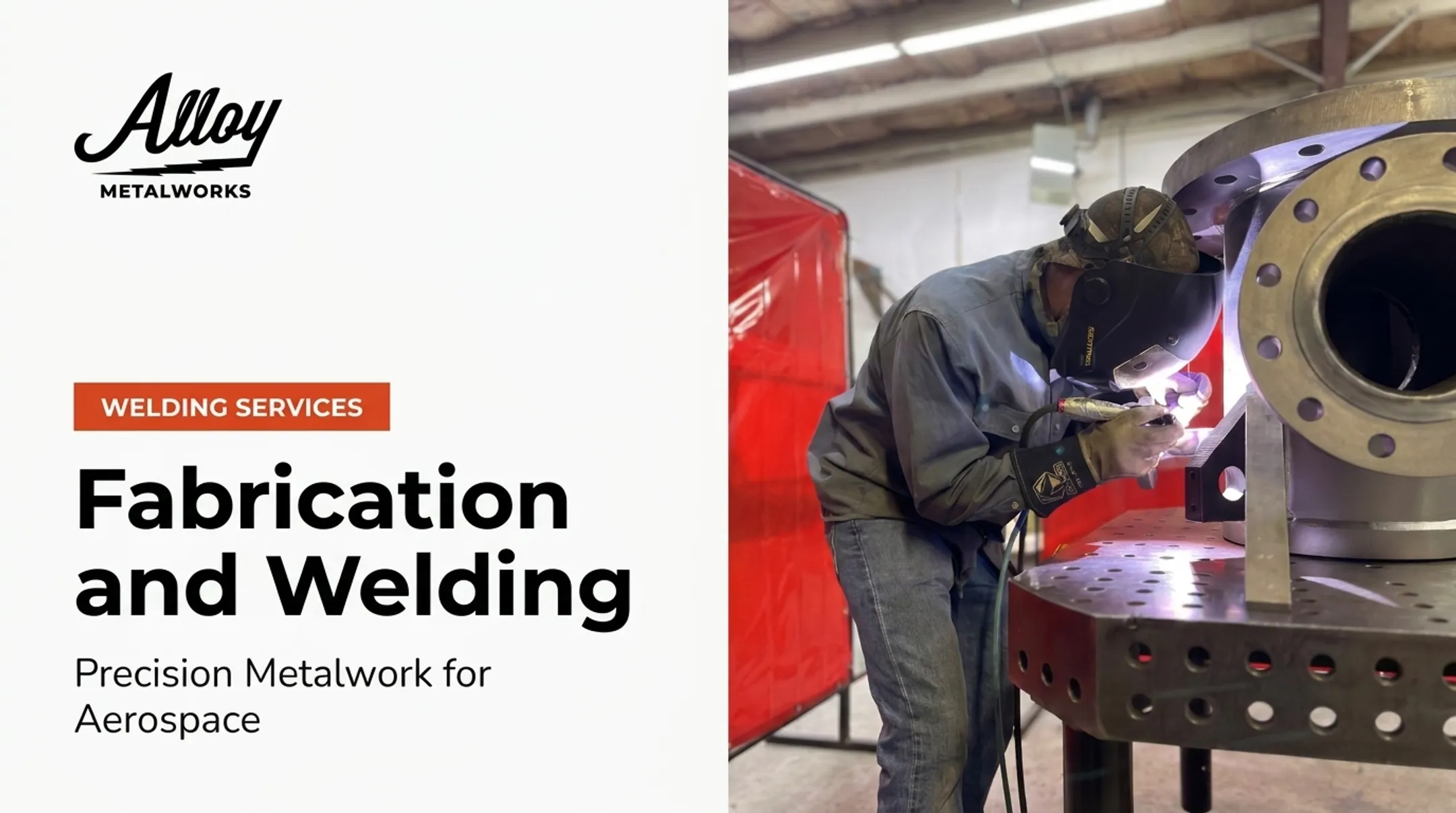
- Consistent orbital and precision welding
- Real-time inspection instead of after-the-fact fixes
- Full Factory Acceptance Testing (FAT) before anything ships
Improved Safety
Less on-site exposure means fewer working-at-height tasks and safer welding environments overall. Chemex reported their fabrication team exceeded 1,000,000 hours without an OSHA-recordable injury in 2020, illustrating what controlled shop environments can achieve.
Scalability and Reduced Disruption
Skids can be relocated, replicated, or reconfigured as needs change. Existing operations keep generating revenue while the new skid gets built off-site instead of shutting down for months.

Key Design Considerations for Modular Skids
Start with process requirements, not equipment selection. Flow rates, pressure, temperature, and capacity should drive design decisions from day one. Choosing pumps and valves before nailing down these parameters is how projects end up with expensive rework.
Material Selection
Corrosion resistance and operating conditions dictate material choice. Demanding process conditions often call for specialty alloys:
- Inconel — handles service temperatures from cryogenic to 1800°F with strong corrosion resistance
- Hastelloy — common in reactors, heat exchangers, and columns exposed to aggressive chemicals
- Titanium — excellent crevice-corrosion resistance, particularly in chloride-heavy environments
Structural Integrity and Transport Design
A skid frame has to survive lifting, shipping, and years of operational vibration without excessive deflection. Under-designed frames crack on the first crane lift or develop fatigue failures years into service.
Key structural checks include:
- Lift-point design and crane load paths
- Shipping restraints and transport vibration
- In-service vibration, nozzle loads, and thermal expansion
Welding Code Compliance
Depending on materials and application, expect to reference:
- ASME Section IX for welding procedure and personnel qualification
- AWS D1.1 for structural steel frames
- AWS D1.2 for aluminum structures
- AWS D1.6 for stainless structural welding (note: D1.1 qualification doesn't automatically cover D1.6)
- AWS D18.1 for sanitary tube and pipe systems
Skipping code verification here is how projects fail inspection months after they thought they were done.

Why Fabrication Partner Expertise Matters
A well-designed skid means nothing if the welding behind it can't hold up to inspection. Reliability comes down to the welding procedures, material traceability, and quality systems supporting the build, not just the CAD drawing.
Alloy Metalworks, based in Colorado, works under ISO 9001 quality management and holds FAA Part 145 QMS certification. Welding qualifications span:
- ASME Section IX
- AWS D17.1 Class A
- AWS D18.1 sanitary welding
- AWS D1.1/D1.2/D1.6 structural codes
That combination matters when you're mixing sanitary stainless piping with a structural steel frame on the same skid.
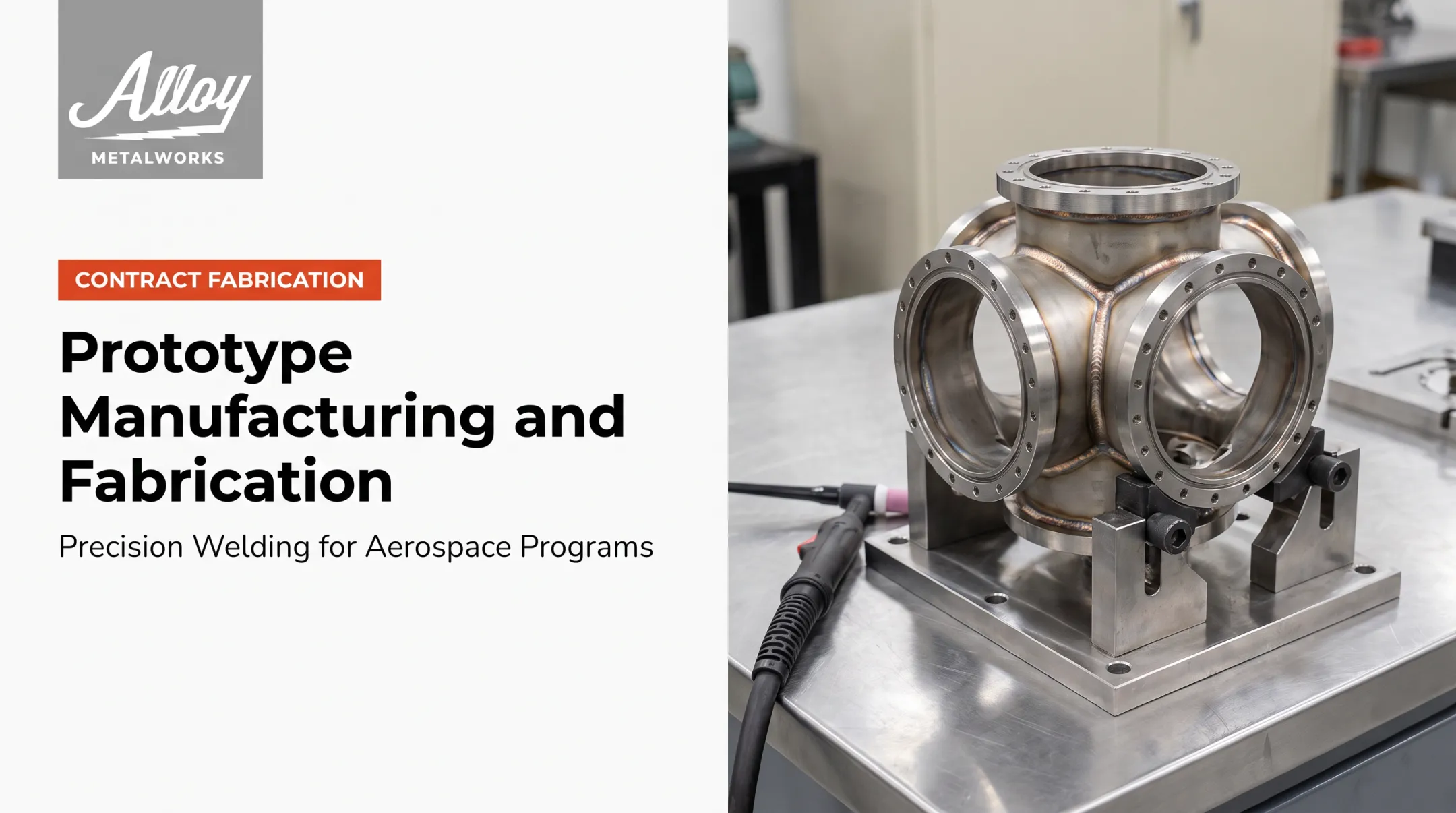
The team fabricates with exotic alloys—Inconel, Hastelloy, Incoloy, and titanium—alongside stainless steel. That work supports aerospace ground support structures, hydrogen energy systems, and sanitary process equipment for food, beverage, and pharmaceutical clients.
Engineering-aware collaboration from concept through built parts, paired with full documentation and traceability, keeps downstream delays and rework off the table for technically demanding builds.
Frequently Asked Questions
What is skid fabrication?
Skid fabrication is the off-site process of designing, welding, assembling, and testing process equipment on a structural frame in a controlled shop environment. It ends with a shipment-ready, tested unit.
What is a skid system?
A skid system is a self-contained, transportable unit integrating process equipment, piping, controls, and instrumentation for a specific industrial function on a single frame.
What does skid mean in manufacturing?
In manufacturing, a skid refers to a structural steel base used to mount, transport, and protect equipment during shipment, storage, or operation. It's built to bear real operational loads, not just static weight.
What is the purpose of a skid in engineering?
A skid provides structural support, containment, and safe transport for integrated process equipment. It also simplifies field installation through plug-and-play connections at the site.
What are the types of skids?
Skids are categorized by industry (chemical, oil and gas, water treatment, power generation) or by function (pumping, filtration, dosing, heating/cooling). Sanitary skids form their own category requiring specialized welding codes.
What is a skid vs. a pallet?
A pallet is a simple flat platform for handling or storage. A skid is an engineered, load-bearing frame that integrates and supports operating process equipment, not just a base for moving boxes.