
"Copper welding" gets used as a catch-all term, but it actually covers three distinct processes: welding, brazing, and soldering. Each has a different temperature range, a different bond mechanism, and a different appropriate use case. Mixing them up can mean a plumbing joint that leaks or, worse, a structural component that fails inspection.
This article breaks down the differences, explains why copper fights back against fusion welding, and covers the techniques and prep work that actually produce reliable joints.
Key Takeaways
- Copper's high thermal conductivity and rapid oxide formation are the main reasons fusion welding is difficult
- Soldering and brazing are suitable for plumbing and HVAC; welding is required for structural or code-compliant joints
- TIG welding is the preferred process for precision copper work, paired with proper preheat and filler selection
- Aerospace, energy, and research applications typically require certified welding procedures, not soldering or shop-floor guesswork
Welding vs. Soldering vs. Brazing: Understanding the Differences
These three terms get thrown around interchangeably, but the American Welding Society draws a clear line based on filler-metal liquidus temperature, not the equipment used.
Soldering uses filler with a liquidus below 840°F. Tin-based solders flow into the joint and bond to the base metal without melting it, forming a capillary bond rather than true fusion. This is standard for residential plumbing and low-voltage electrical connections.
Brazing uses filler above 840°F, but still below the base metal's melting point. Common filler materials include silicon bronze. Brazing is common in HVAC systems and some structural assemblies where a strong capillary joint is acceptable.
Welding melts the base metal itself, along with any filler, creating true metallurgical fusion. This is the only option when a joint must meet structural, pressure, or flight-critical requirements.
Quick Comparison
| Process | Strength | Cost | Skill Level | Typical Use |
|---|---|---|---|---|
| Soldering | Lower | Low | Beginner | Plumbing, electrical wiring |
| Brazing | Moderate-High | Moderate | Intermediate | HVAC, some structural |
| Welding | Highest | Higher | Advanced | Structural, pressure, aerospace |

The right choice depends on what the joint has to survive, not just what's convenient in the shop.
Why Is Copper Difficult to Weld?
Copper is hard to weld because its basic physical properties work against a stable, sound joint.
Heat runs away fast. Copper pulls heat out of the weld zone far quicker than steel does, so the arc energy that would easily fuse steel just gets absorbed and dissipated. This means higher heat input or preheating is often necessary just to get a stable puddle going, especially on thicker sections.
Oxides form readily. At welding temperatures, copper oxidizes quickly. Left unmanaged, that oxide layer causes porosity and weak fusion. Surface cleaning and full shielding-gas coverage are required for a sound joint.
Thermal expansion drives distortion. Copper's expansion coefficient is notably high. NIST data puts the mean thermal expansion of oxygen-free copper at roughly 17 x 10⁻⁶ per Kelvin at room temperature (NIST Monograph 177). That movement during heating and cooling raises the risk of hot cracking, particularly on restrained joints.
Laser welding struggles too. Pure copper's reflectivity poses a real challenge for laser processes. ESAB notes that copper and copper alloys require extra precautions when starting a weld, since high reflectivity at near-infrared wavelengths can interfere with plasma ignition before the beam couples with the material (ESAB, Laser Radiation Hazards). Brass and bronze, being less reflective, behave more predictably under laser sources.
Hydrogen and preheat matter. Preheating isn't a blanket rule for every copper weld; it depends on alloy, restraint, and section thickness. When used, it slows the cooling rate, gives hydrogen time to diffuse out, and reduces shrinkage stress that leads to cracking (Lincoln Electric, What is Preheat?). On thick or highly restrained sections, skipping preheat raises the odds of porosity and hot cracking.

Copper Welding Techniques and Processes
Process selection depends on section thickness, alloy, joint design, and how much heat you can afford to pump in without warping the part.
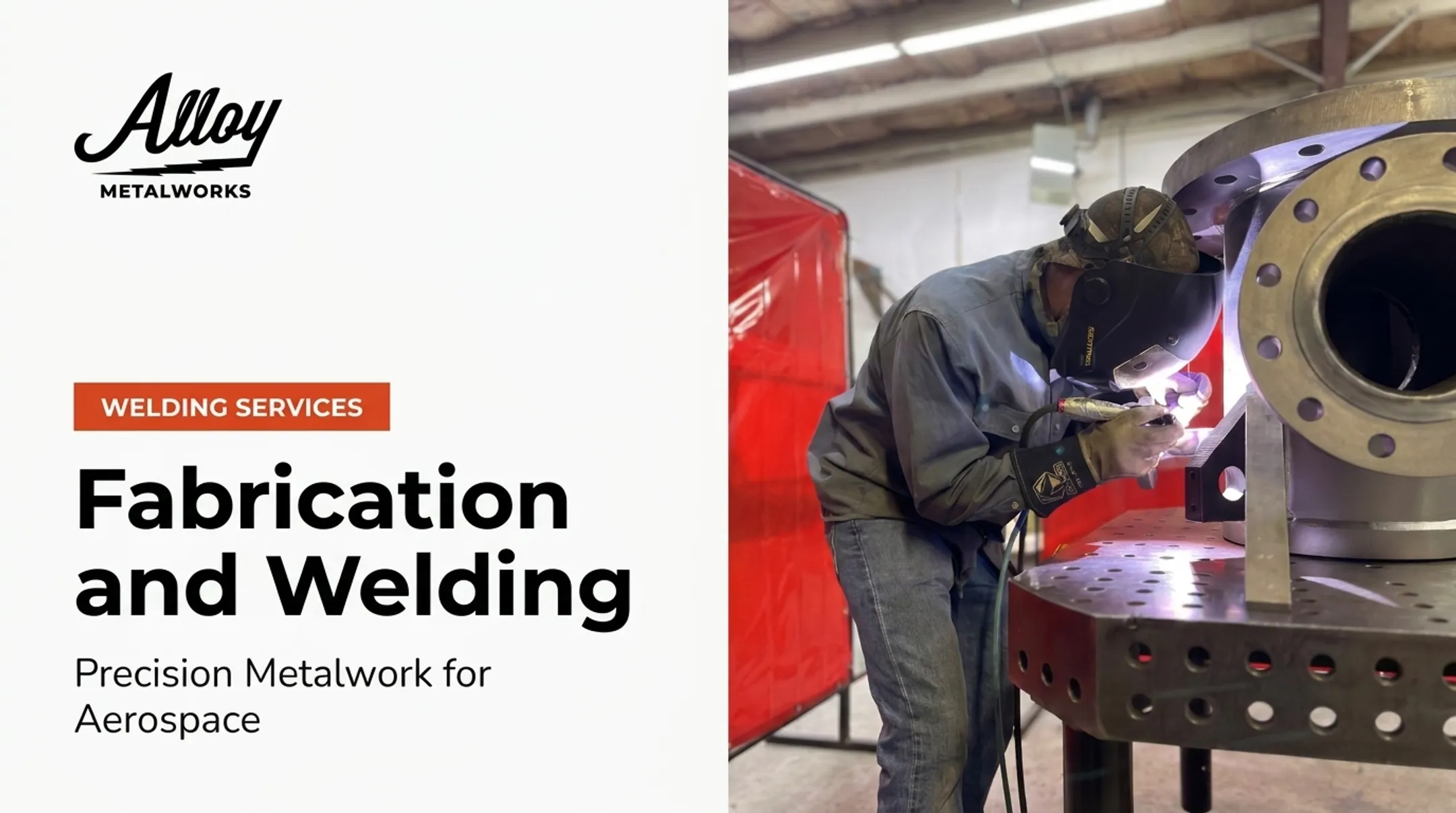
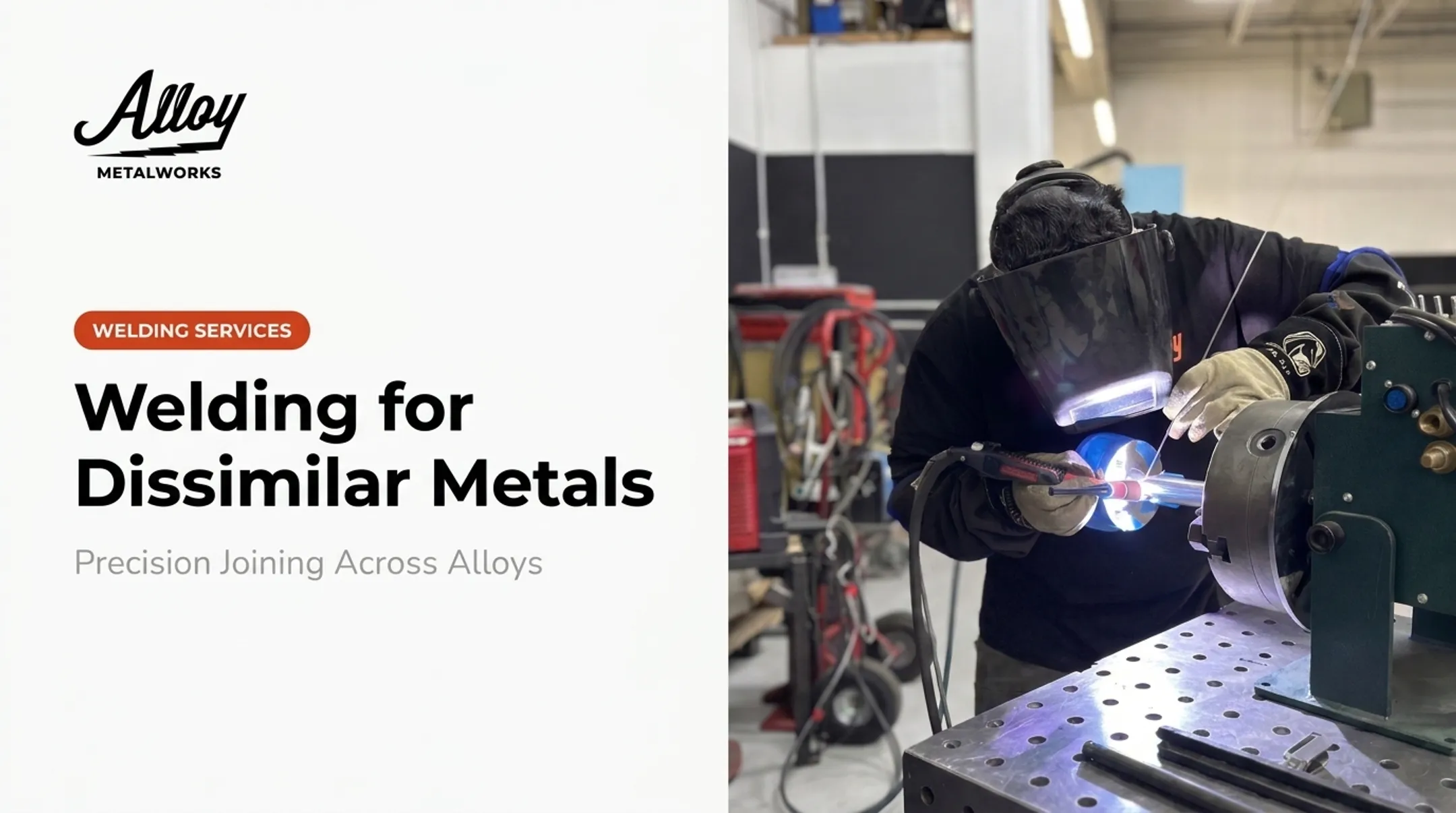
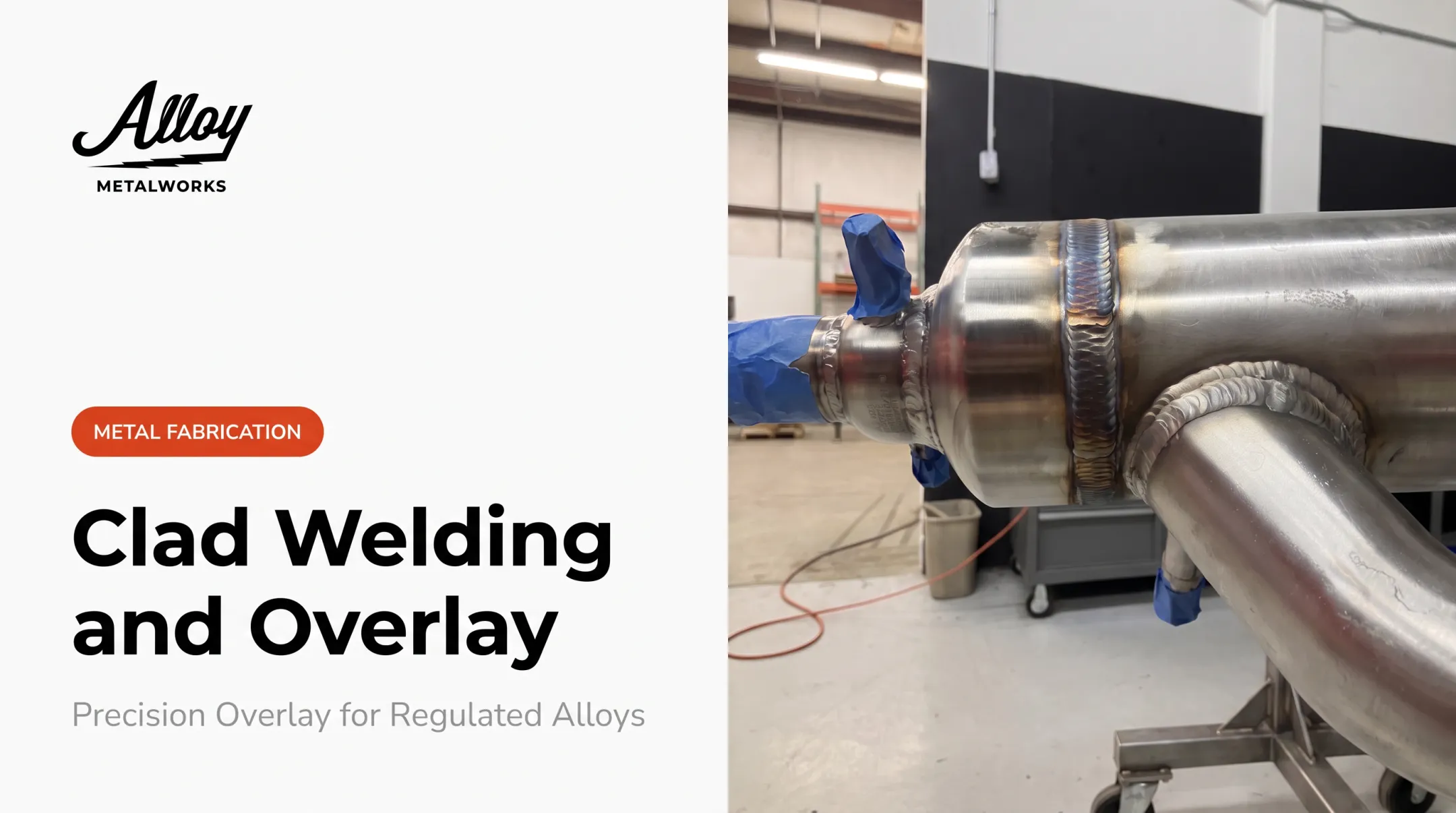
TIG (GTAW) welding is the standard for precision copper work. It uses ERCu or ERCuSi filler rods, classified under AWS A5.7 for copper and copper-alloy welding consumables, with argon or helium shielding gas to control the arc and keep the weld clean.
MIG (GMAW) welding makes more sense on thicker sections. Higher deposition rates speed things up, and pulse settings help manage heat input so you're not overwhelming the joint.
Oxy-acetylene welding remains a low-cost, portable option. It demands real operator skill and consistent preheating, but it still earns its keep in field repair situations where running power isn't practical.
Resistance spot welding skips filler entirely. It's fast and effective for thin sheets and electrical components, but it's limited to simple lap joints and is not a fit for structural work.

Preparation Essentials
Skipping prep is the fastest way to end up with a bad copper weld:
- Clean everything: strip oxidation, oils, and surface contaminants from base metal and filler rods before you strike an arc
- Preheat thicker sections: reduces thermal stress and improves penetration on anything beyond thin sheet
- Lock down fit-up and fixturing: tight joints and solid clamps limit distortion from copper’s high thermal expansion
- Match the filler to the alloy: use ERCu, ERCuSi, or the specified copper-alloy rod so the weld metal tracks base-metal chemistry
Common Applications of Welded Copper
Copper welding is used where electrical conductivity, thermal performance, or corrosion resistance is the priority:
- Electrical industry — busbars, connectors, and high-conductivity components that need low-resistance joints
- Energy and HVAC systems — heat exchangers, refrigeration units, and thermal management hardware that rely on copper's conductivity
- Aerospace and defense — heat shields, propulsion components, and electrical connectors where weld integrity is flight-critical
- Research and industrial equipment — cryogenic systems, chemical processing, and specialty fabrication involving copper joined to dissimilar metals
Fusion welding for aerospace hardware typically falls under AWS D17.1, which covers design, procedure qualification, fabrication, and inspection for flight and space components.

When Precision Welding Requires a Certified Partner
Flight-critical, energy, and research applications don't run on best-effort welding. They require documented weld procedures, personnel qualification, and traceability that a general shop or hobbyist setup usually can't provide.
ASME Section IX qualifies welding and brazing procedures and the people who perform them. It is a qualification framework, not a stamp that any given joint is fit for service.
At Alloy Metalworks, we perform code-compliant TIG and laser welding for aerospace, energy, and advanced manufacturing clients under ASME Section IX and AWS D17.1 Class A requirements, with ISO 9001-controlled documentation at every step.
Representative work includes:
- ASME B31.3 piping rebuilds with certified third-party inspection
- Energy-system assemblies qualified under Section IX for pressure service
- Early weld procedure development and process validation with engineering teams
Getting the procedure right before fabrication starts matters more than fixing it after. That early collaboration cuts the rework and failed inspections that show up when specifications are treated as an afterthought.
Frequently Asked Questions
Can you weld a copper tube?
Yes — TIG, MIG, or oxy-acetylene welding can all join copper tube, depending on wall thickness and the application. That said, soldering remains far more common for standard plumbing tube where pressure and structural demands are lower.
Why is copper difficult to weld?
High thermal conductivity, rapid oxidation, and significant thermal expansion make copper harder to weld than steel. Heat leaves the weld zone quickly, oxides form fast, and expansion stress raises cracking risk.
What is the best welding process for copper?
TIG welding is generally preferred for its precision and clean results, especially on thinner sections. MIG becomes the better choice on thicker material where higher deposition rates matter more than pinpoint control.
Do you need to preheat copper before welding?
Usually, yes, for thicker sections. Preheating offsets copper's rapid heat dissipation and reduces the risk of cracking, though the exact requirement depends on alloy, thickness, and joint restraint.
Is soldering as strong as welding for copper pipe?
Soldered joints meet standard plumbing pressure ratings, but they don't create true metallurgical fusion. Structural or high-stress applications need welding, not soldering.
What filler metal is used for welding copper?
ERCu (deoxidized copper) and ERCuSi (silicon bronze) rods are the most common choices, selected based on the base metal and the mechanical properties the joint needs to deliver.