
Get the heat input wrong, skip the purge gas, or select the wrong filler metal, and you end up with sugaring, sensitization, or premature corrosion that shows up months after a job passes visual inspection. For sanitary, structural, or flight-critical applications, those mistakes aren't cosmetic. They're liability.
Not every welding shop has the certifications, purge setups, or process controls to handle stainless steel correctly under regulated codes. This guide breaks down what stainless specialists actually do, the four grade families you need to understand, and how to vet a fabrication partner before you sign a contract.
Key Takeaways
- Wrong codes, filler metals, or shielding gas invite corrosion and structural failure in stainless welds
- Austenitic, ferritic, martensitic, and duplex stainless each need different heat and stress control
- AWS D18.1, AWS D1.6, and ASME Section IX certifications separate specialists from general shops
- ISO 9001 and FAA-certified fabricators cut rework, delays, and failed-inspection risk
What Is Stainless Steel Fabrication and Why Specialists Matter
Stainless steel fabrication is the cutting, forming, and welding of chromium-alloyed steel into finished components, assemblies, or complete systems. Simple enough on paper. In practice, it's a discipline that punishes shortcuts.
"Stainless specialists" refers to fabricators running dedicated welding procedures, certifications, and equipment—like inert gas purge chambers—built specifically for stainless's heat-sensitive, corrosion-prone behavior.
The global stainless steel market was valued at $216.16 billion in 2024, with volume forecast to climb from 14 million tons in 2026 to 17.63 million tons by 2031. That's a lot of material moving through shops that may or may not know how to handle it properly.
Why General Shops Struggle
General metal shops often stumble on stainless because it behaves nothing like mild steel:
- Warping from uneven heat distribution during welding
- Carbide precipitation at grain boundaries, weakening corrosion resistance
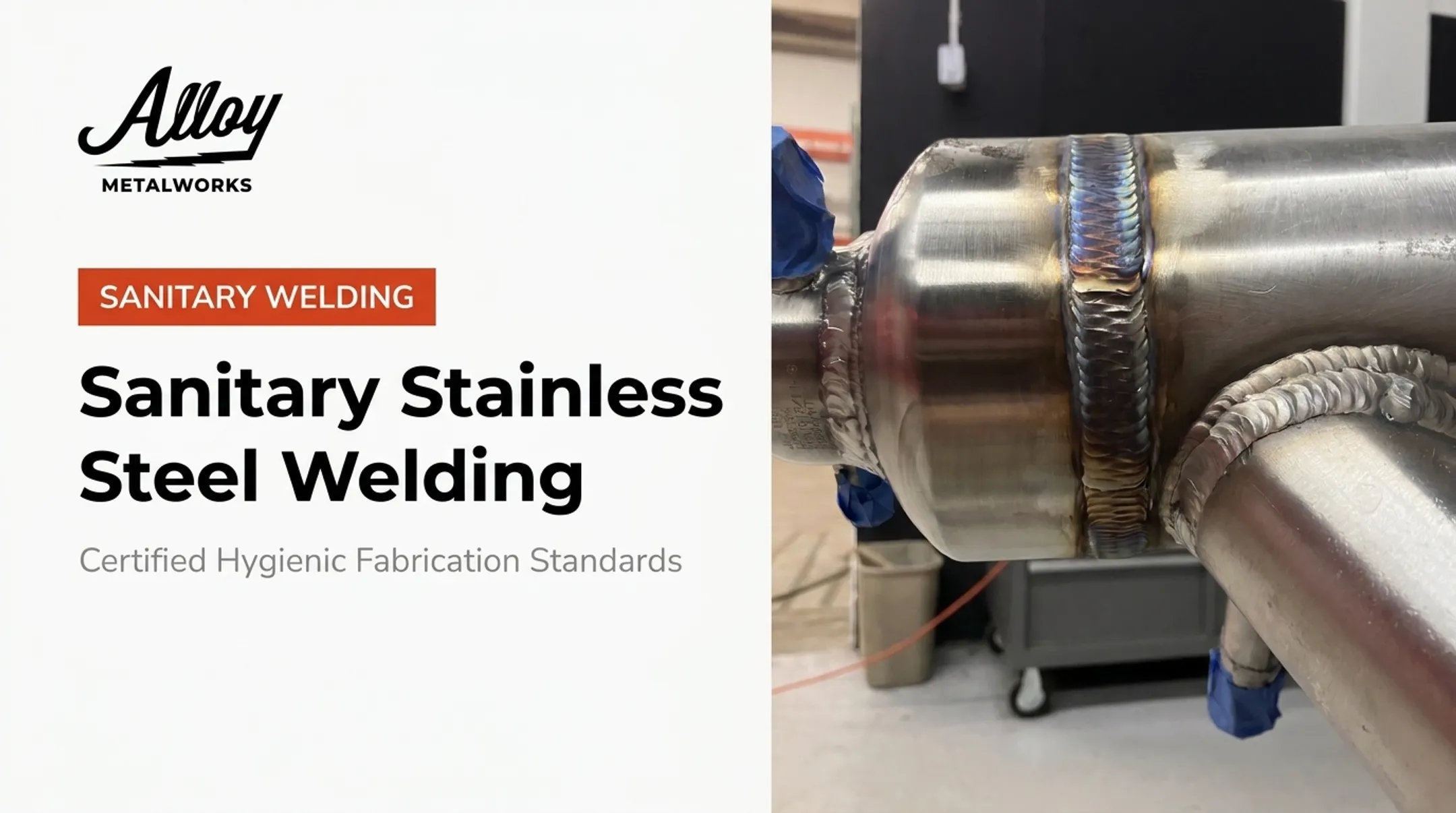
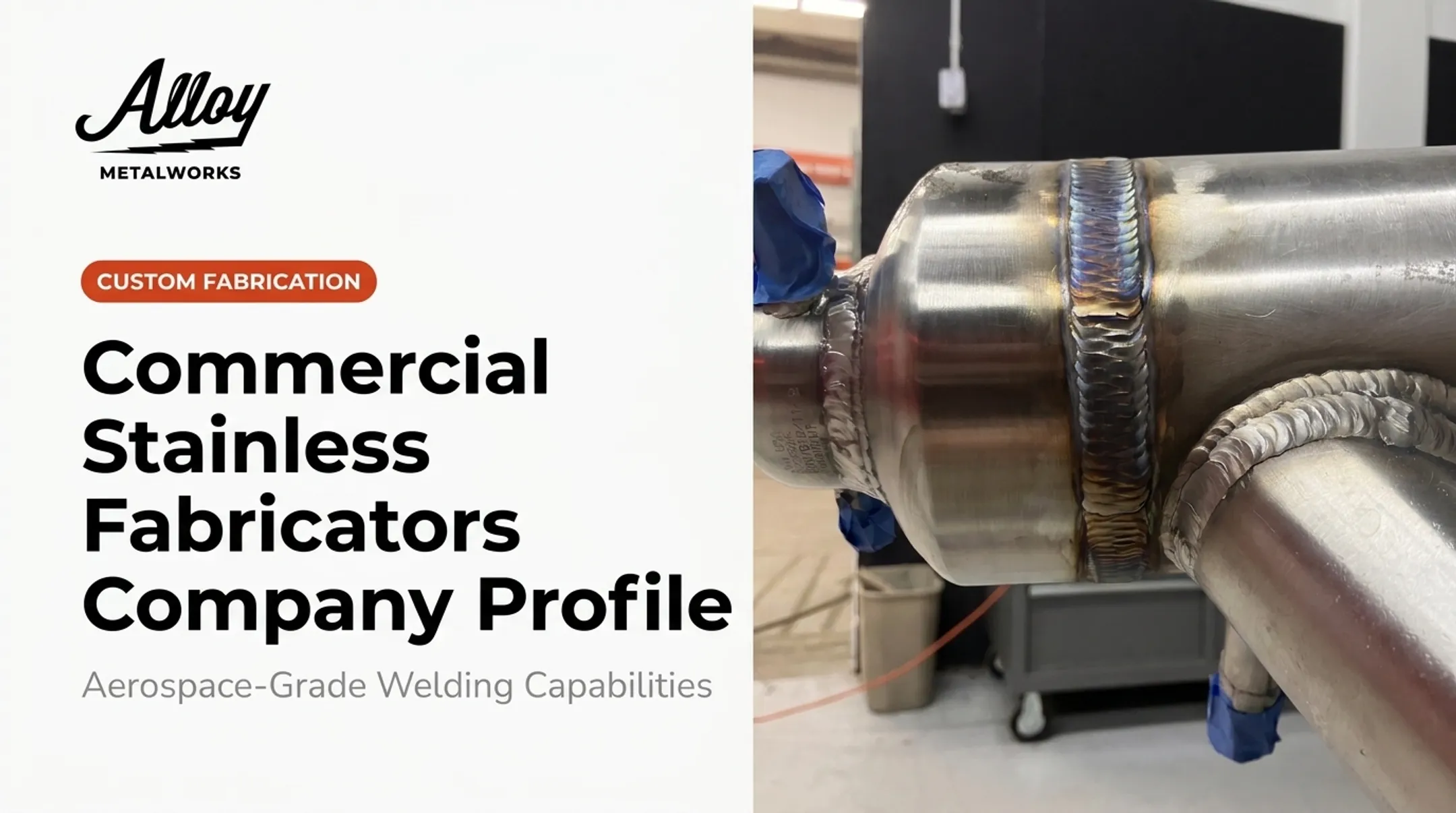
- Weld discoloration, which signals oxygen contamination and improper heat input

Industries like aerospace, energy, food and beverage, and pharma can't tolerate these failures. Compliance and sanitary standards demand more than a welder who's "good with metal."
That is the gap stainless specialists close. Alloy Metalworks, a Colorado-based fabricator, holds AWS D18.1 sanitary welding and AWS D1.6 structural stainless steel credentials, and pairs them with engineering collaboration from concept through inspection-ready parts for sanitary, structural, pharmaceutical, food and beverage, biotechnology, and custom industrial work.
Can Any Welder Weld Stainless Steel? Understanding the Skill Gap
Technically, yes. Any welder can strike an arc on stainless. Whether the result holds up is a different question entirely.
Common mistakes non-specialists make:
- Overheating, causing sensitization and chromium carbide formation at grain boundaries
- Wrong filler metal selection, mismatched to the base alloy family
- Inadequate purge gas, leading to sugaring: oxidized, brittle backside welds on thin-gauge material
Sugaring isn't cosmetic. According to The Fabricator, visible discoloration on a weld means the corrosion resistance has already been compromised. Back purging with argon or nitrogen prevents oxygen exposure that causes it—but only if the welder knows to set it up.
Certifications That Actually Validate Competency
Codes like these exist because "looks fine" isn't a quality standard:
- AWS D18.1 — governs sanitary/hygienic welding of austenitic stainless tube and pipe
- AWS D1.6 — structural welding code for stainless assemblies outside pressure vessels
- ASME Section IX — welding, brazing, and fusing qualifications for pressure-retaining work

Randy Zavala, Alloy Metalworks' Fabrication Lead, brings more than 20 years of hands-on experience and holds AWS D18.1, AWS D1.2, AWS D1.1, and ASME Section IX certifications. Those credentials are the paper trail these codes are built to require.
The Four Main Groups of Stainless Steel Explained
Grade selection isn't a minor detail. It determines weldability, filler metal choice, and how the finished part performs under stress.
| Family | Key Traits | Common Use |
|---|---|---|
| Austenitic (300 series) | Non-magnetic, excellent corrosion resistance, good formability | Food, pharma, structural work |
| Ferritic (400 series) | Magnetic, lower cost, moderate corrosion resistance | Automotive, appliances |
| Martensitic | Heat-treatable, hard, high-strength | Cutlery, blades |
| Duplex | ~50% austenitic/50% ferritic microstructure, superior strength | Chemical, offshore environments |
Austenitic grades (304, 316, 347) dominate sanitary and structural work because of their corrosion resistance and formability. Duplex and super duplex grades earn their keep in harsher chemical environments where standard austenitic stainless isn't tough enough.
Specialists match filler metal and welding procedure to the specific family being joined. Mix that up, and the finished weld underperforms when stress, corrosion, or inspection hits.
Is Stainless Steel 100% Rust Proof? Setting Realistic Expectations
No. It never was. "Stainless" means rust-resistant, not rust-proof, thanks to a thin chromium oxide layer that forms on the surface.
The Nickel Institute confirms this passive layer can be damaged—particularly by chloride exposure—leading to localized pitting and crevice corrosion. Molybdenum and nitrogen help resist pit initiation; nickel slows the spread once corrosion starts.
What compromises the passive layer:
- Chloride exposure (road salt, coastal air, cleaning chemicals)
- Excessive welding heat that alters the microstructure
- Contamination from carbon steel tools or grinding wheels used on other metals
Poor welding practices are a leading cause of premature corrosion. Excessive heat input or inadequate shielding gas strips the passive layer through alloy depletion and oxidation.
Fabricators limit that risk with:
- Proper post-weld cleanup
- Passivation treatments per ASTM A967
- Grade selection matched to the environment the part will actually live in

Standards and Certifications That Define a True Stainless Specialist
Certifications prove a shop has the procedures, documentation, and qualified welders to back up the work.
Look for:
- AWS D18.1 — sanitary/hygienic welding
- AWS D1.6 — structural stainless steel
- ASME Section IX — pressure-retaining welds
- ISO 9001 — quality management systems
- USDA 3-A Sanitary Standards — critical for food, beverage, and pharma systems
- FAA Part 145 — required for flight-critical stainless hardware
Match the codes to your application—sanitary, structural, pressure, or flight-critical. Alloy Metalworks maintains ASME Section IX, AWS D17.1 Class A for flight-critical hardware, AWS D18.1 sanitary welding, AWS structural codes D1.1, D1.2, and D1.6, ISO 9001 QMS, and FAA Part 145 QMS.
Documentation matters as much as the weld itself. One project came in after a previous contractor's welds failed inspection: missing records for covered welds, welding procedures, and welder qualifications. The rebuild required in-house borescope and dye penetrant testing, plus visual and magnetic particle inspection to ASME B31.3, before third-party sign-off.
That's the real cost of skipping certification checks upfront: rework, delays, and inspections that should've passed the first time.
Industries and Applications Relying on Stainless Steel Specialists
Certain sectors simply can't use a general shop. The stakes are too high.
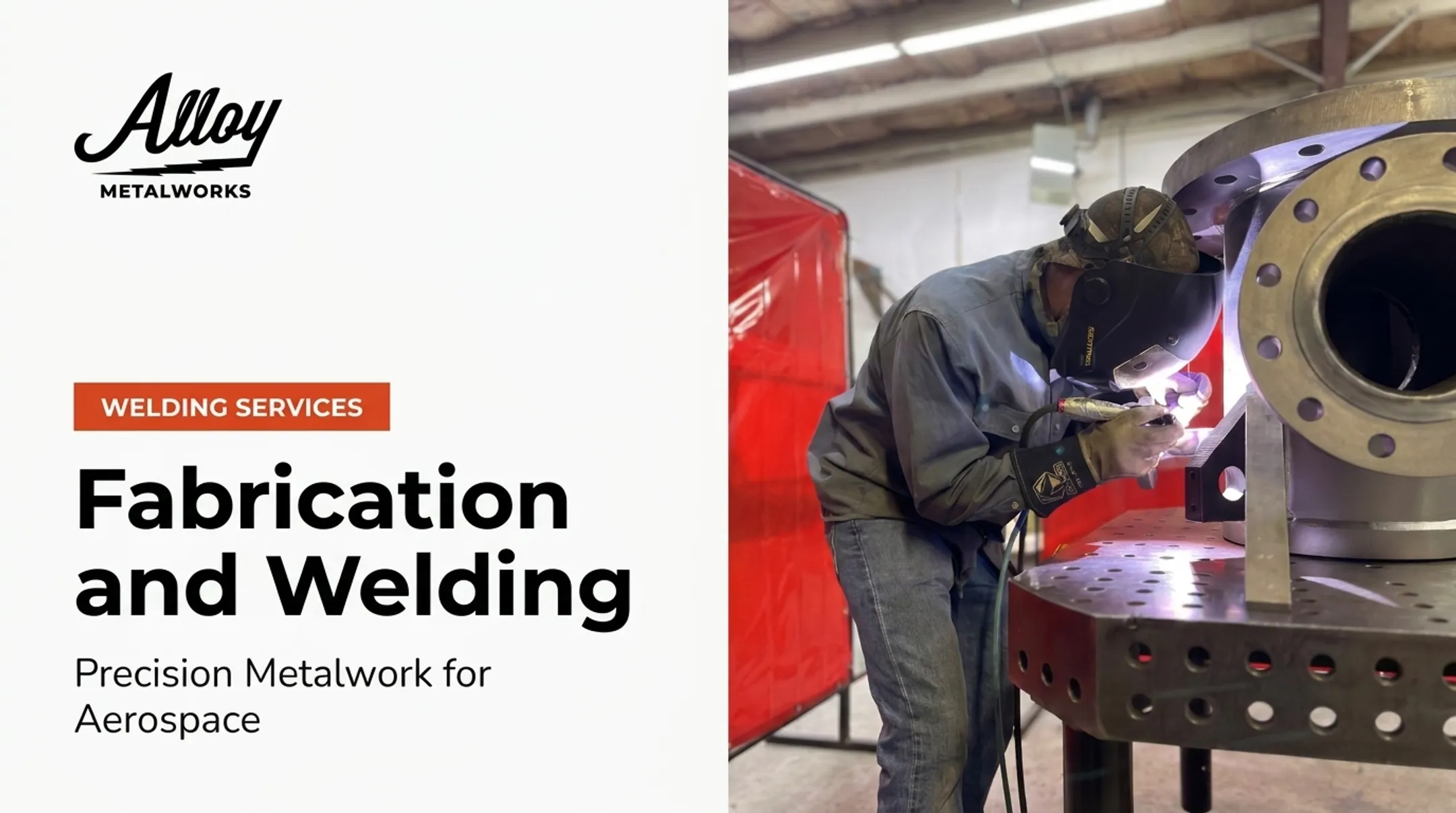
- Aerospace and flight-critical hardware — AWS D17.1 and ASME Section IX compliance for structural integrity under extreme conditions
- Food, beverage, and pharmaceutical systems — AWS D18.1 sanitary welds and USDA 3-A standards; nickel stainless has been the material of choice for food contact for over 80 years
- Clean energy and hydrogen systems — Types 316L and 304L for hydrogen-contact components; 317LMN, 2205, and 2507 for critical applications
- Research and prototyping organizations — rapid turnaround on custom, one-off stainless components
Alloy Metalworks' work with Utility Global includes stainless steel welding, pipe and fitting work, and custom piping systems. Prototyping and small-batch fabrication also support research labs that need quick-turn custom parts.
Choosing the Right Stainless Steel Fabrication Partner
Before signing a contract, run through this checklist:
- Verify certifications directly: Don't take "certified" at face value. Ask for ISO 9001, ASME Section IX, and relevant AWS code documentation.
- Ask about engineering collaboration: Can they support design-through-build for complex geometries or specialty alloys, or do they only execute drawings?
- Confirm documentation practices: Traceability and inspection-readiness should be built into the process, not added after the fact.
- Check their materials range: A shop comfortable with 304, 316, 347, 17-4, 15-5, duplex, and super duplex has broader problem-solving capacity than one that only handles basic grades.

A partner that clears this bar keeps stainless projects on schedule and inspection-ready. Alloy Metalworks works with engineers and project managers to move designs from concept to built parts, with weld-joint design support alongside certified stainless welding.
Founded in Colorado in 2020, the company serves aerospace, energy, and sanitary process applications under controlled processes built for audit-ready results from day one.
Frequently Asked Questions
What is stainless steel fabrication?
Stainless steel fabrication is the process of cutting, forming, and welding stainless steel into finished parts or systems. It requires specialized techniques to manage heat, prevent corrosion, and maintain structural integrity.
Can any welder weld stainless steel?
Any welder can attempt it, but proper results require specific training, certifications, and equipment like purge gas systems. Without them, you risk sensitization, sugaring, and premature corrosion failures.
Is stainless steel 100% rust-proof?
No. It's rust-resistant, not rust-proof, due to a protective chromium oxide layer on its surface. That layer can be damaged by chloride exposure, improper welding heat, or contamination.
What are the four main groups of stainless steel?
Austenitic (corrosion-resistant), ferritic (magnetic, economical), martensitic (hardenable), and duplex (high-strength hybrid). Each behaves differently under welding heat and stress.
How do I know if a fabricator is qualified for flight-critical or sanitary stainless work?
Check for AWS D17.1 (flight-critical), AWS D18.1 (sanitary), FAA Part 145 (repair station status), and ISO 9001 (quality management). Ask for documentation, not just claims.